

The art market has always carried an aura of mystery. The exclusive auctions, soaring prices, and the belief that every painting is destined to become a goldmine. But the reality is far more nuanced. Whether you’re a new collector or a seasoned buyer refining your strategy, understanding how the art market actually works is essential for making smart, confident decisions.
Today, we’re breaking down three of the most common myths that mislead aspiring collectors. By correcting them, you’ll gain a clearer picture of how to build a meaningful, strategic, and sustainable collection.
Myth #1: “Art Always Increases in Value”
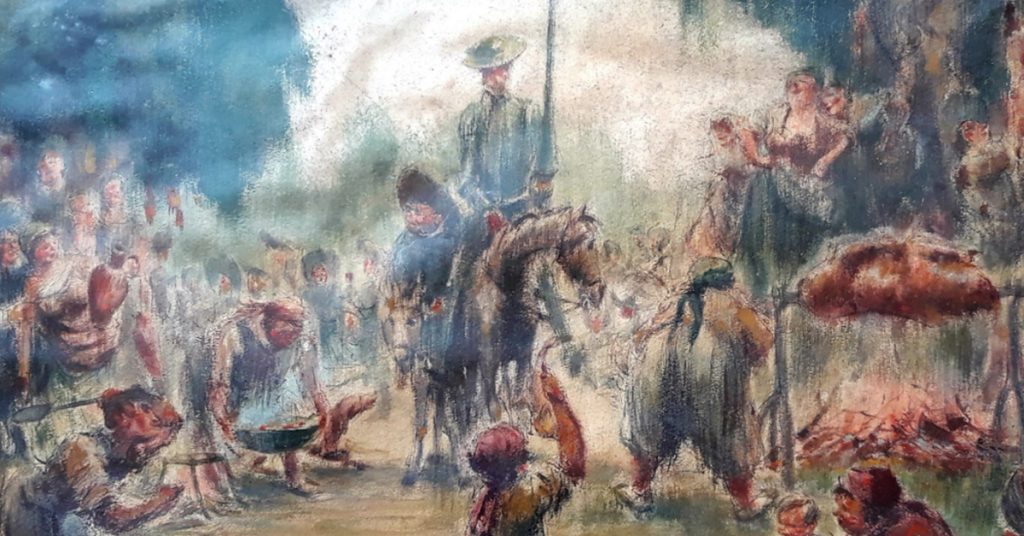
This is perhaps the most widespread misconception in the art world. While success stories like the skyrocketing prices of blue-chip artists dominate headlines, they represent a small segment of the market.
The Reality: Value appreciation depends on the artist, demand, rarity, and market timing.
Long-term studies, including the annual Art Basel & UBS Art Market Report and the TEFAF Art Market Report, consistently show that only certain categories of artworks demonstrate reliable appreciation over time. These are typically works by artists with:
- Established museum presence
- Consistent critical recognition
- Stable market performance
- Limited supply of available works
- Even then, value fluctuations still occur. Just as stocks can rise or fall, high-value artworks can rise or fall based on cultural shifts, curatorial attention, gallery positioning, and global economic conditions.
Why this matters for collectors
Treating all art as an investment can lead to disappointment. Instead, understanding an artist’s career trajectory, exhibition history, and collector base is far more predictive than expecting guaranteed appreciation.
Smart Collecting Tip:
Instead of chasing the “next big thing,” look for artists with strong institutional support, transparent gallery representation, and a consistent body of work. Growth tends to follow stability.
Myth #2: “Auctions Determine All Market Prices”

It’s easy to see why this myth persists. Auction houses like Christie’s, Sotheby’s, and Phillips command major media attention with multimillion-dollar sales and record-breaking headlines.
The Reality: Gallery and private sales shape the market long before artworks reach the auction block.
In fact, most art transactions worldwide happen privately, not publicly. According to reputable annual reports such as the Art Basel & UBS Art Market Report, private sales (through galleries, dealers, and advisors) consistently make up a large portion—often around half—of global art-market value.
Here’s what most people don’t see:
- Galleries set primary market prices, establishing an artist’s value for the first time.
- Dealers control the placement of works, ensuring they enter strong collections that support long-term appreciation.
- Museums, curators, and exhibitions influence cultural relevance, which in turn shapes market value.
- Private sales often exceed auction prices, because seasoned collectors prefer discretion and stability.
- By the time an artwork appears at auction, it has already been shaped by years of gallery strategy, curatorial interest, and collector demand.
Why this matters for collectors
If you rely solely on auction results, you’re seeing only a fraction of the real market. True insight comes from understanding:
- Primary market pricing strategies
- Artist representation and gallery relationships
- Demand within private networks
- How rarity and provenance impact saleability
Smart Collecting Tip:
Build relationships with galleries. This is where you discover emerging artists, gain access to highly sought-after works, and learn pricing trends that never appear in public databases.
Myth #3: “Collecting Requires a Fortune”
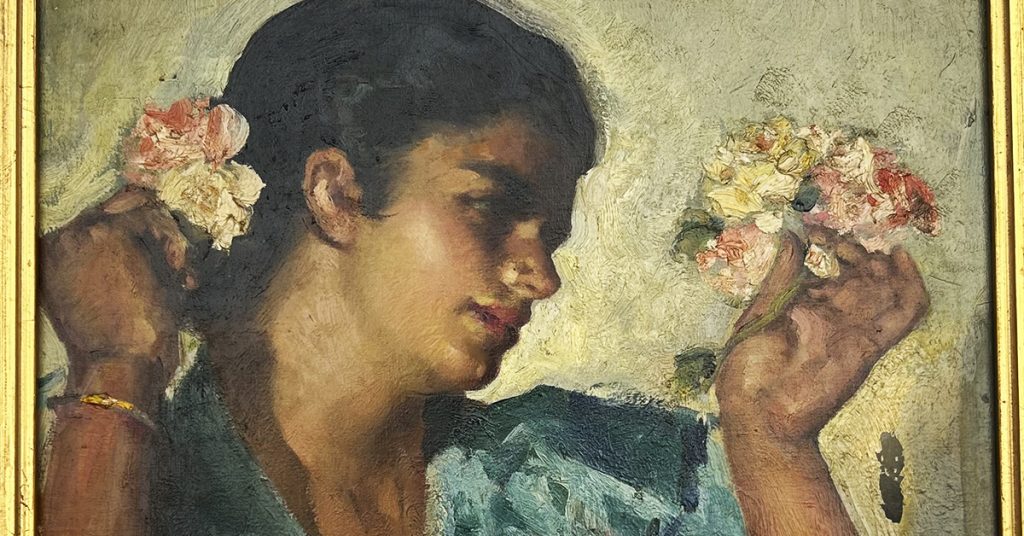
Many people assume that collecting fine art is a hobby reserved for millionaires. But the truth is more encouraging.
The Reality: Successful collecting is about knowledge, strategy, and timing, not a massive budget.
Across the global art market, there are vibrant segments accessible to collectors at various price levels:
- Emerging artists, represented by reputable contemporary galleries
- Prints, editions, and photography, often at entry-level price points
- Local and regional markets, where talent is abundant and undervalued
- Online art platforms, which have expanded transparency and access
Major institutions like the Museum of Modern Art, Tate, and Guggenheim all collect works across a spectrum of values. Building a meaningful collection is about connoisseurship—not spending power.
Why this matters for collectors
Your budget doesn’t define you as a collector; your eye does.
A well-curated collection of works by emerging artists can grow in cultural relevance—and potential monetary value—over time. Many of today’s blue-chip artists began in small galleries where early collectors recognized their potential.
Smart Collecting Tip:
Set a budget, study artists consistently, follow gallery programs, and attend openings. The more you know, the more confidently—and affordably—you can collect.
The Bottom Line: Knowledge Creates Better Collectors
The art market isn’t a mystery. It’s a dynamic, global ecosystem shaped by galleries, institutions, private collectors, and cultural trends. By seeing past the myths, you empower yourself to:
- Make informed purchases
- Develop long-term collecting strategies
- Understand market value beyond auction headlines
- Build a collection rooted in insight, not hype
- Great collecting isn’t about guessing—it’s about learning
Get Insider Access to the Art Market
If you’re ready to deepen your understanding of the art world, access expert insights, and discover artists before they hit the mainstream, then now is the perfect time to join our community.