
Abstraction After Informalism: Gesture, Surface & Structure
In the decades following the radical rupture of Spanish Informalism, abstraction passed through a significant transformation. What began as a confrontation with matter and gesture gradually evolved into a more deliberate exploration of surface, rhythm, and spatial order. This collection traces that transition, revealing how painting in Spain moved from existential intensity toward structural and chromatic complexity.
In the work of Manuel Viola, paint retains its physical urgency; thick impasto, forceful diagonals, and stark contrasts assert the canvas as an arena of tension. Yet, as the language of abstraction matured, artists such as José Manuel Broto reconfigured that energy into expansive compositions where gesture is tempered by balance and architectural clarity. Meanwhile, Ferran García Sevilla approached abstraction through textured surfaces and reiterated signs, thereby introducing a conceptual dimension that bridges material painting and symbolic structure.
Taken together, these works demonstrate a continuity in which Spanish post-war abstraction extends beyond Informalism while remaining rooted in its material intelligence. Through gesture, surface, and structure, painting reasserts itself as both physical presence and intellectual construction.
Featured Artists: Manuel Viola, José Manuel Broto, Ferran García Sevilla
FEATURED WORKs

Manuel Viola
Untitled
Oil on canvas
86 x 118 cm
Signed Front
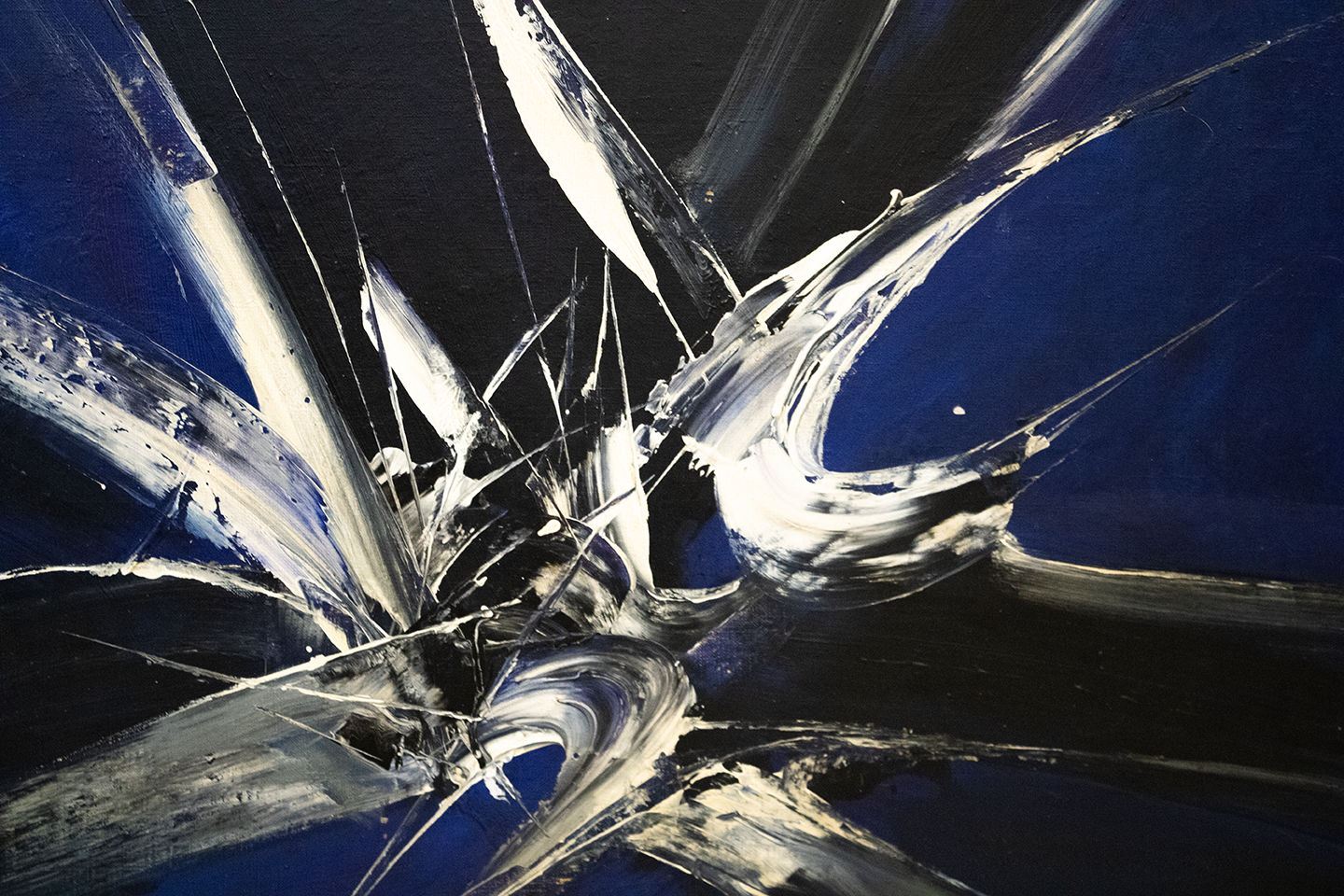
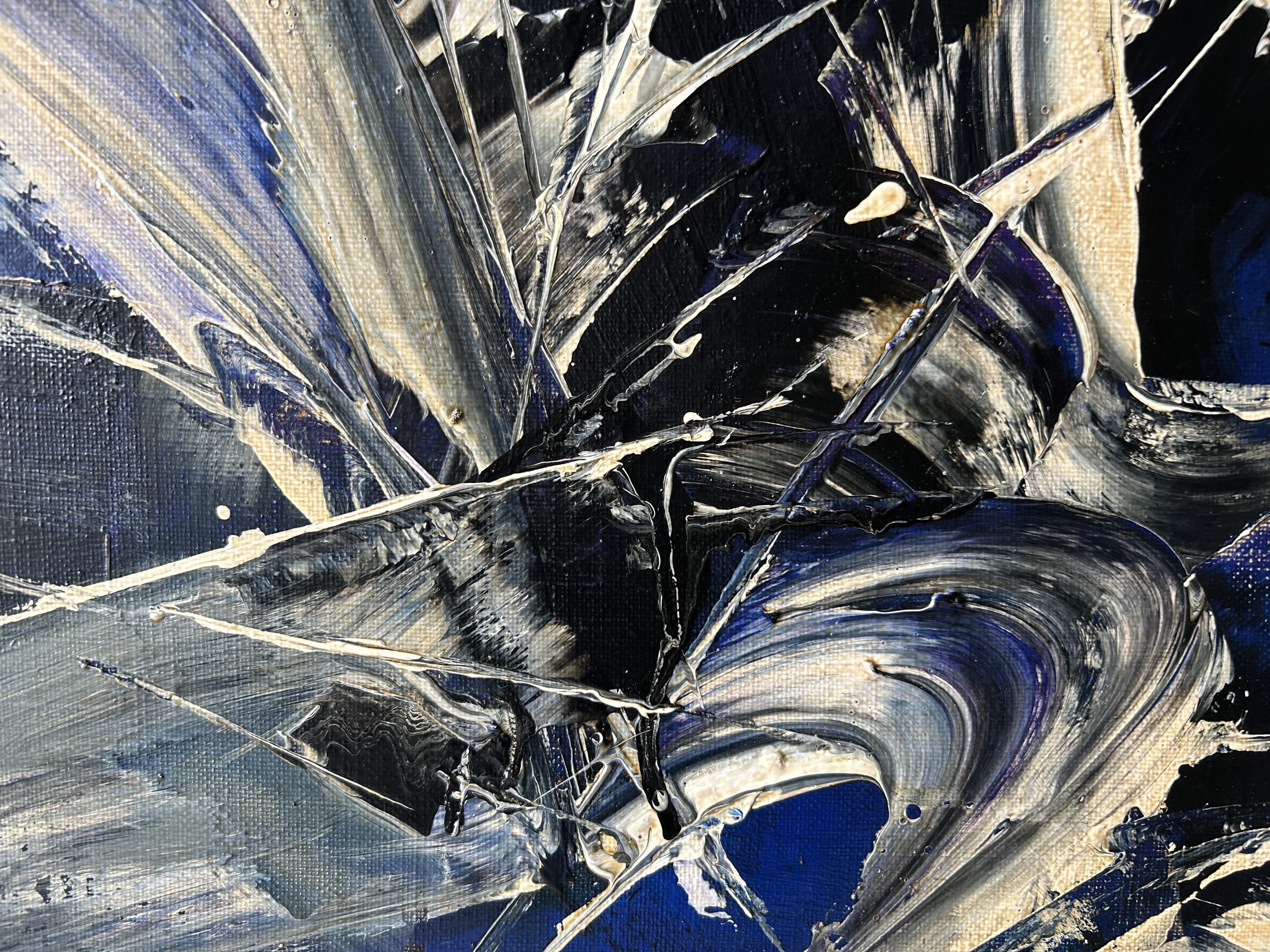
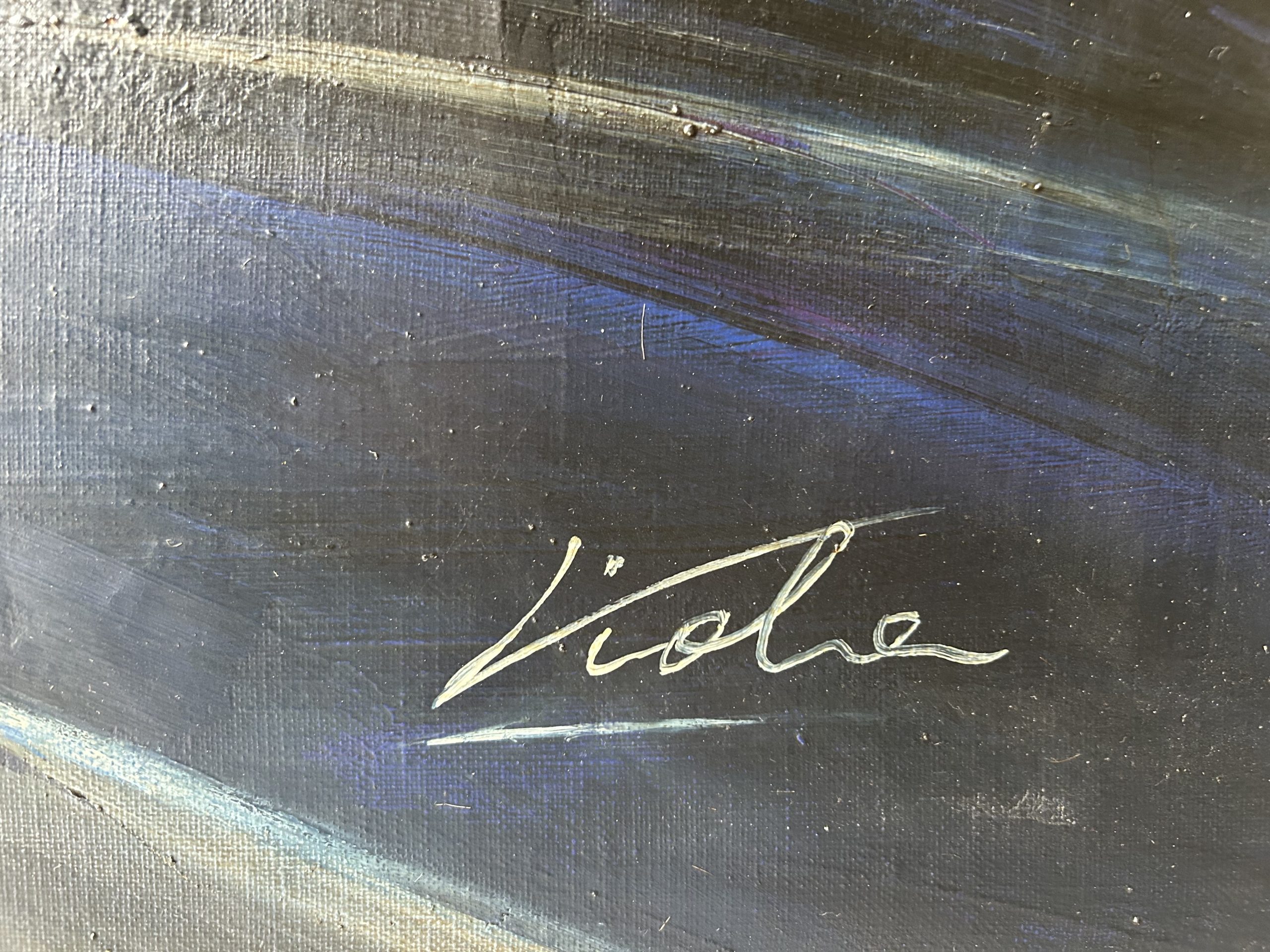
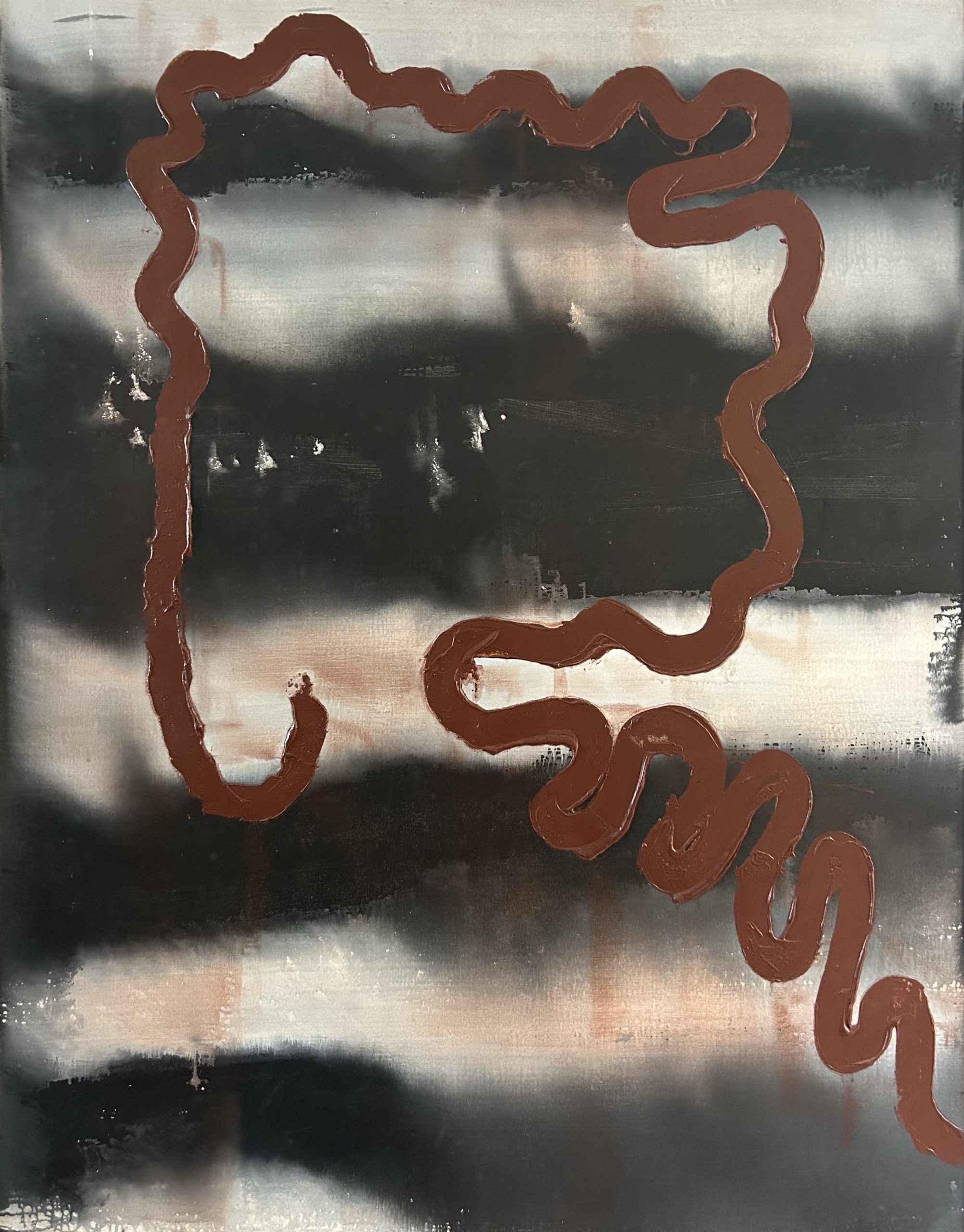
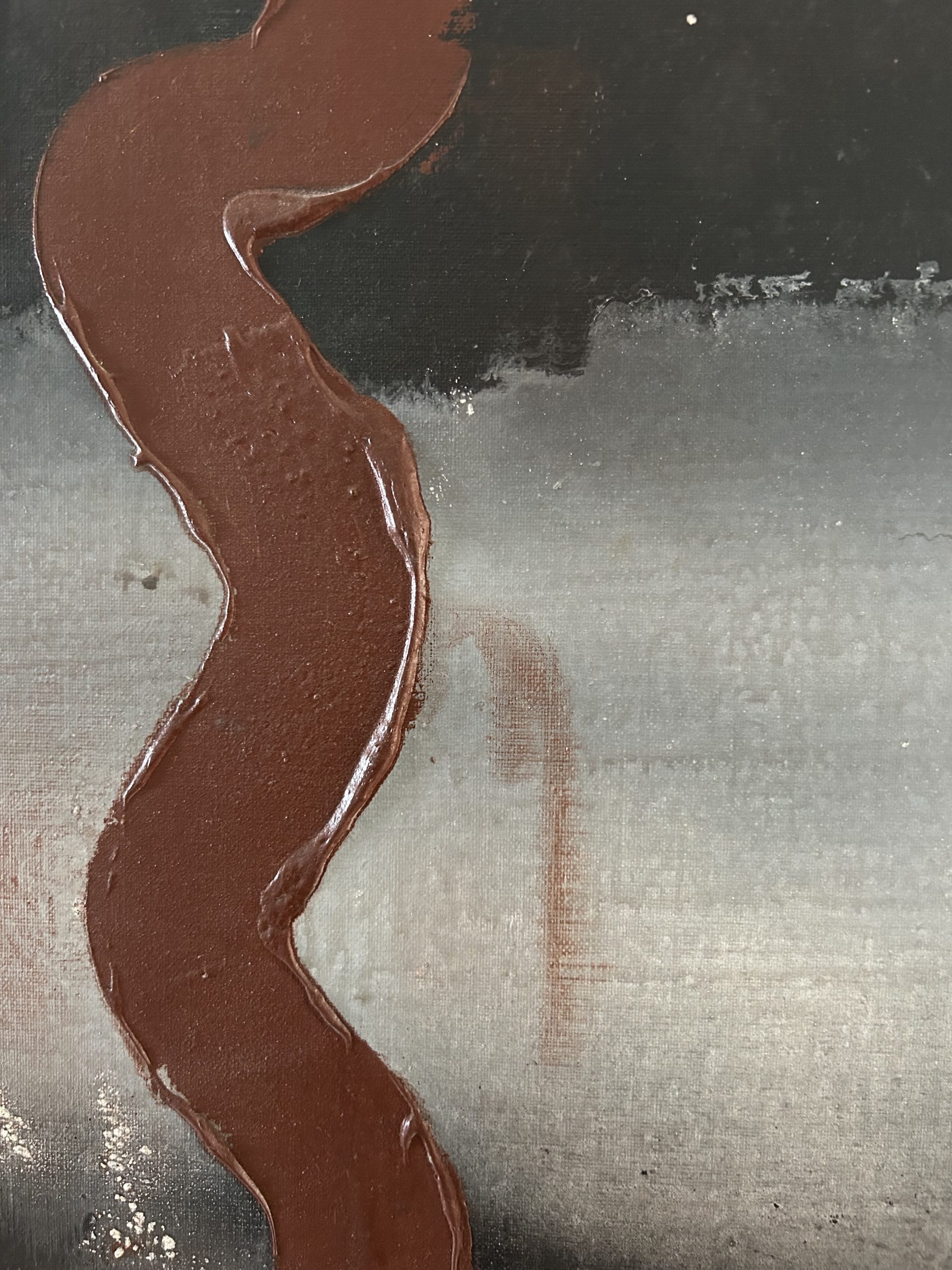
This abstract composition by Manuel Viola reveals the material intensity that defines his contribution to Spanish Informalism. Through charged brushwork and stark chromatic contrasts, the surface becomes a field of tension. The dense, dark ground functions as an active space, against which lighter gestures emerge with abrupt force. This confrontation between mass and illumination generates a dynamic oscillation between presence and dissolution. Executed during the years following his involvement with the El Paso group (founded in 1957), the work reflects Viola’s full commitment to abstraction as a language of existential and pictorial urgency.

José Manuel Broto
Abstract Painting
Mixed media on canvas
146 x 114 cm
1988
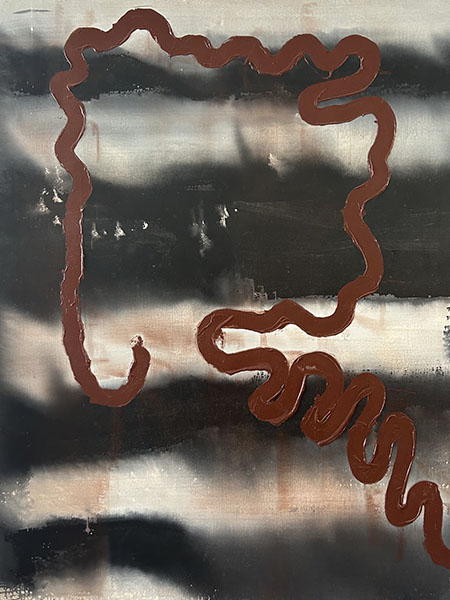
Cuadro abstracto by José Manuel Broto uses minimal elements to explore themes of movement, spontaneity, and structure—hallmarks of his work. Broto’s work often involves balancing order and spontaneity, and here, the lone black line feels like an act of restraint against the complex, pulsating background. This line’s journey across the painting may symbolize Broto’s own exploration of form and fluidity, bridging stability with the dynamic, sometimes unpredictable nature of abstract expression. The painting resonates with his broader artistic journey, where he continuously revisits themes of gesture, color, and space, evolving them into meditative yet powerful statements on abstraction.
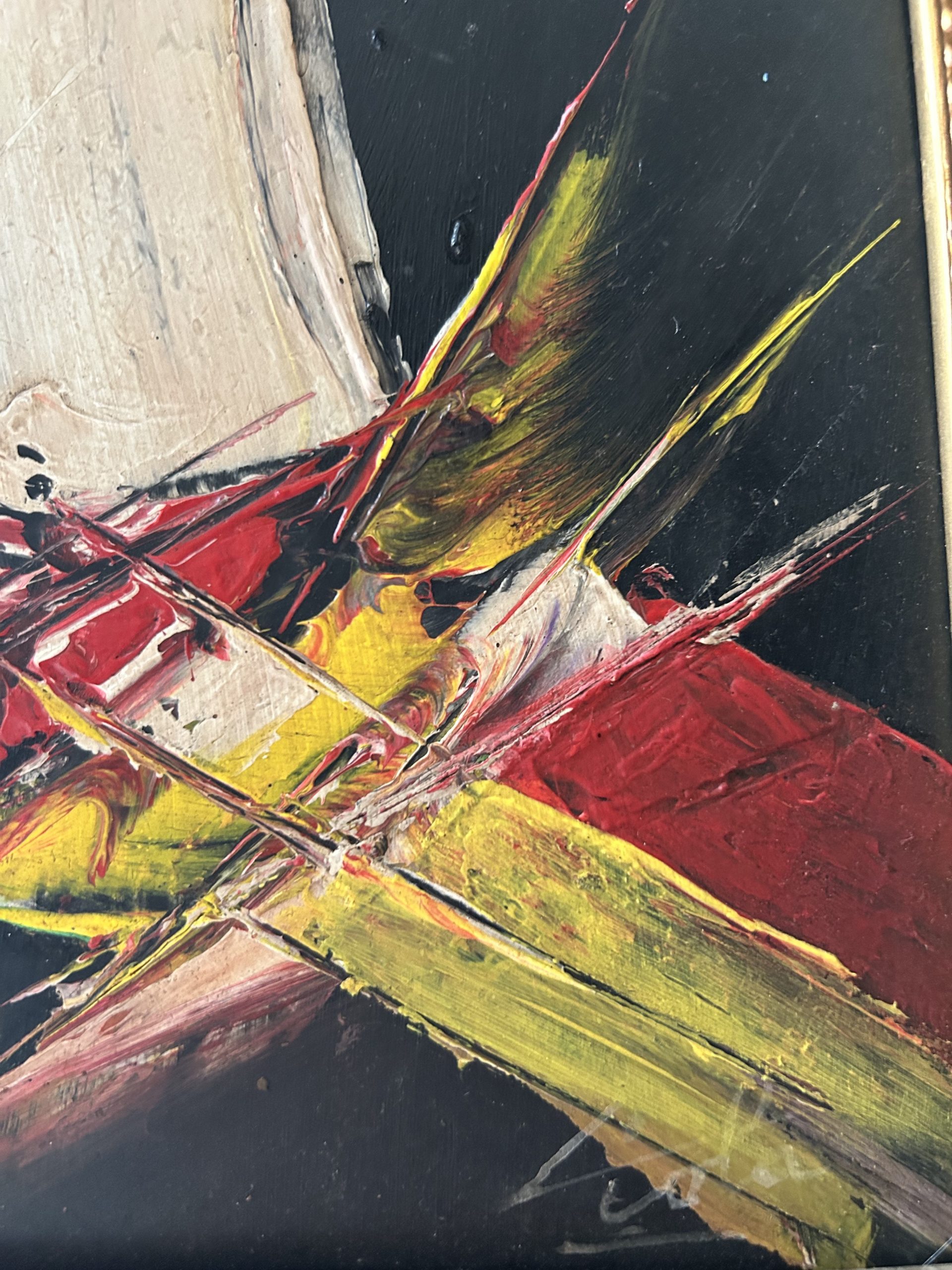
Manuel Viola
Untitled
Oil on board
21 x 15 cm
Signed front
This oil on board by Manuel Viola embodies the material force that defines his mature Informalist language. Rather than constructing depth through traditional composition, Viola activates the surface itself: dense layers of pigment accumulate into a charged field where gesture and matter are inseparable. The dark tonal ground operates as an active space, from which lighter strokes emerge with abrupt intensity, generating a tension between weight and illumination.
Executed in the years following his involvement with the El Paso group (founded in 1957), the work reflects Viola’s sustained commitment to abstraction as an existential and physical act. Thickness, contrast, and rhythm articulate a drama played out entirely within the pictorial surface.
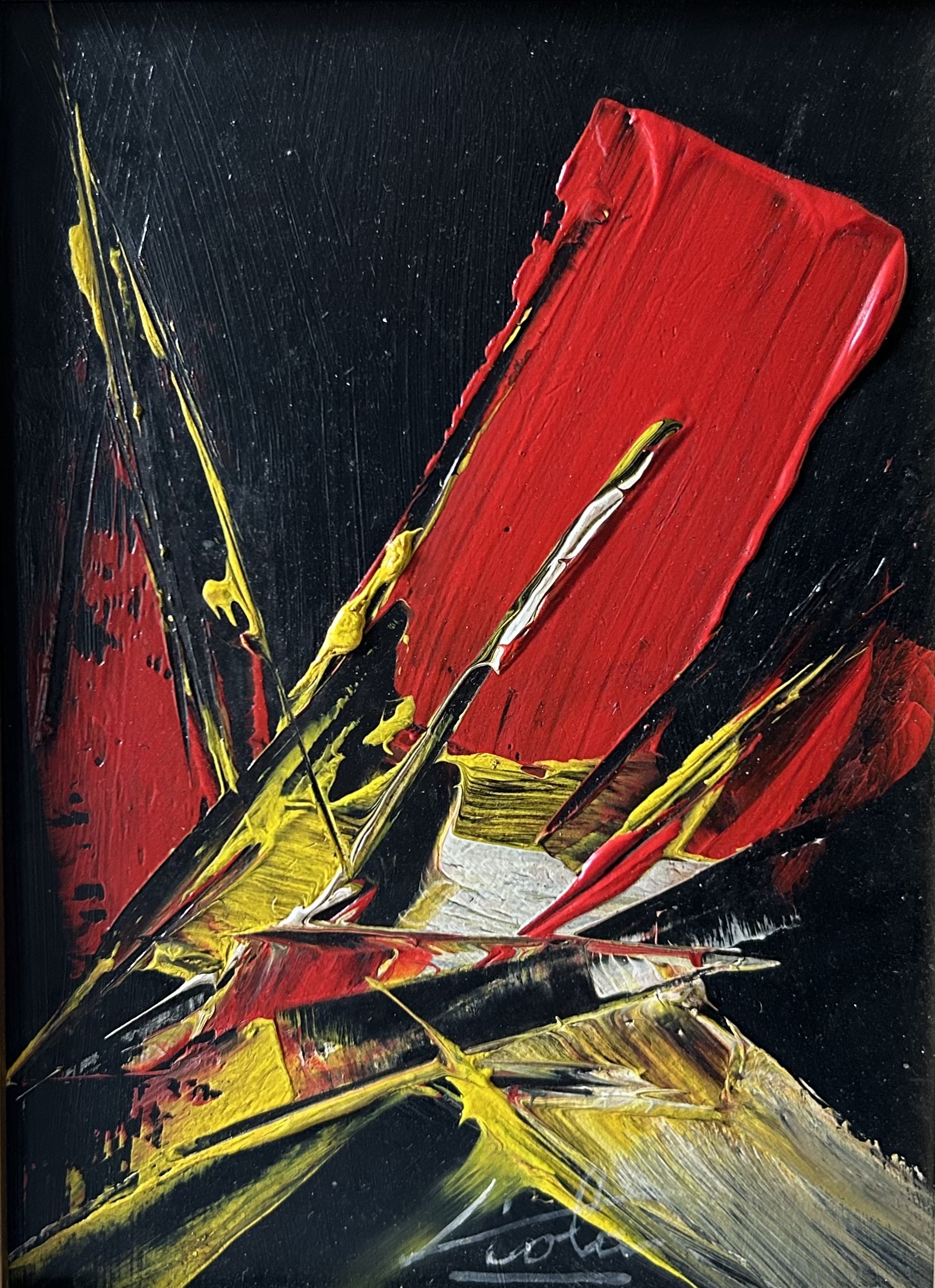
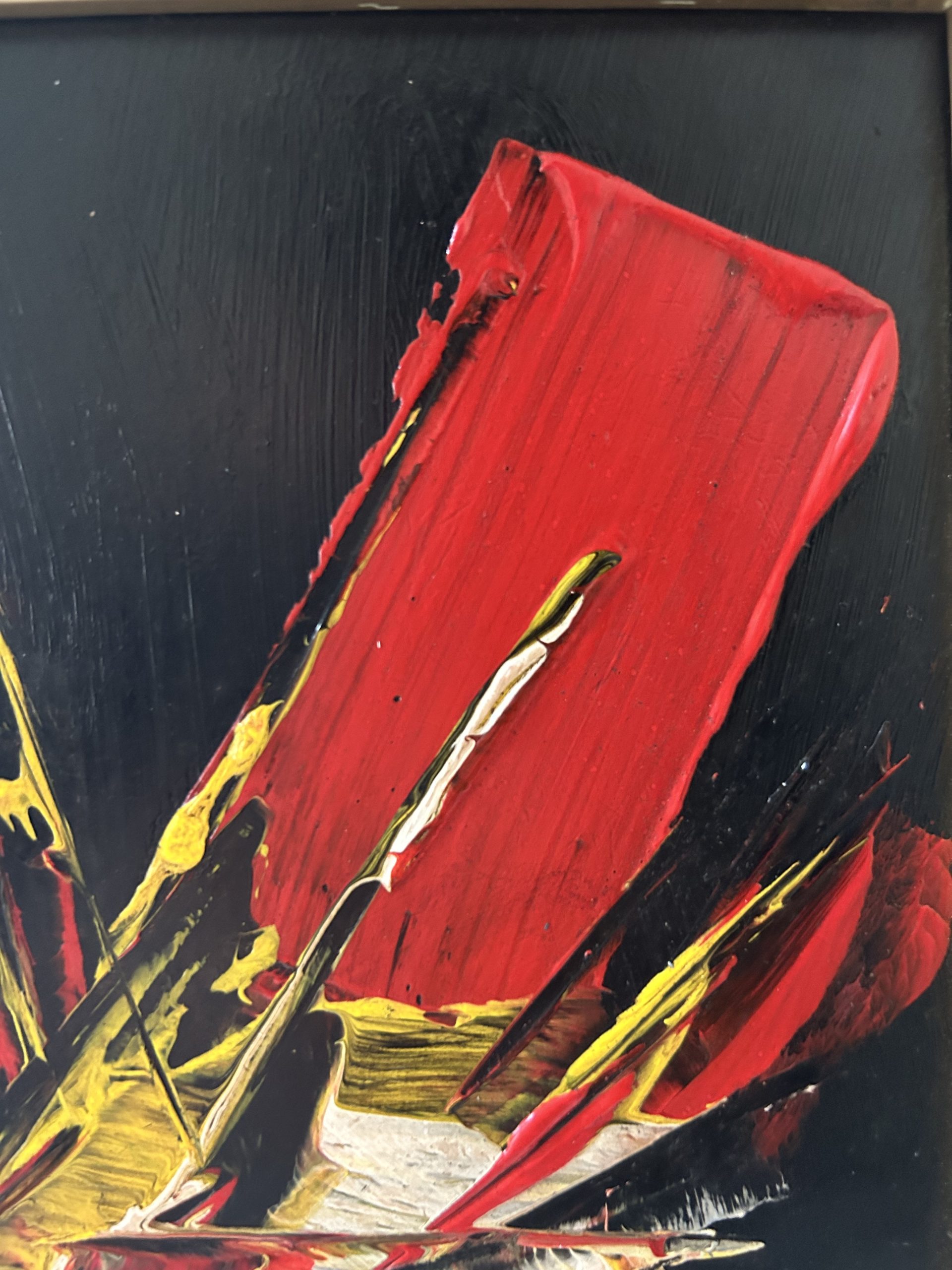
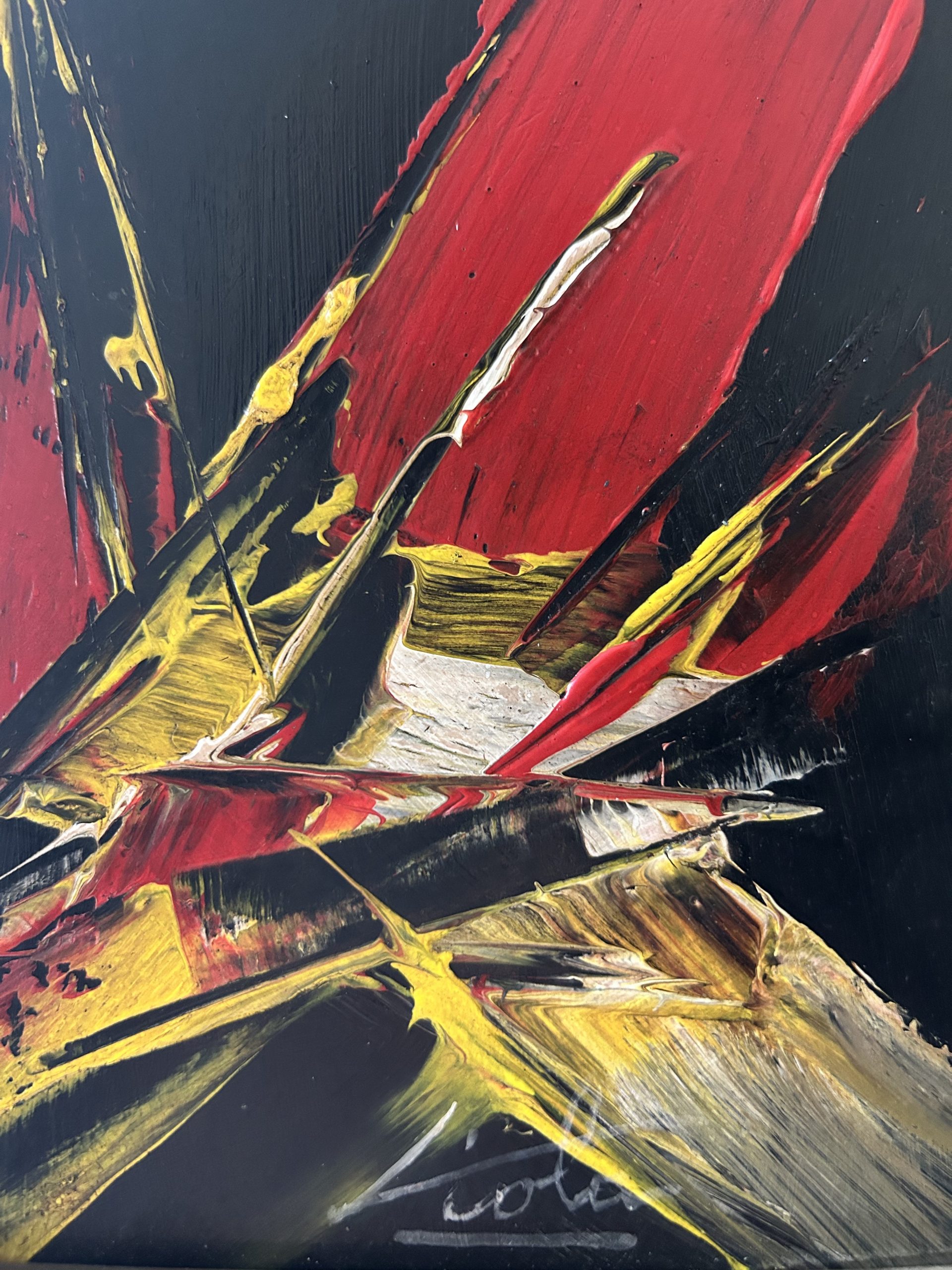
Manuel Viola
Untitled
Oil on board
21 x 15 cm
Signed front
This oil on board by Manuel Viola embodies the material force that defines his mature Informalist language. Rather than constructing depth through traditional composition, Viola activates the surface itself: dense layers of pigment accumulate into a charged field where gesture and matter are inseparable. The dark tonal ground operates as an active space, from which lighter strokes emerge with abrupt intensity, generating a tension between weight and illumination.
Executed in the years following his involvement with the El Paso group (founded in 1957), the work reflects Viola’s sustained commitment to abstraction as an existential and physical act. Thickness, contrast, and rhythm articulate a drama played out entirely within the pictorial surface.
Ferran García Sevilla
Untitled
Mixed media on carton
75 x 53 cm
1989
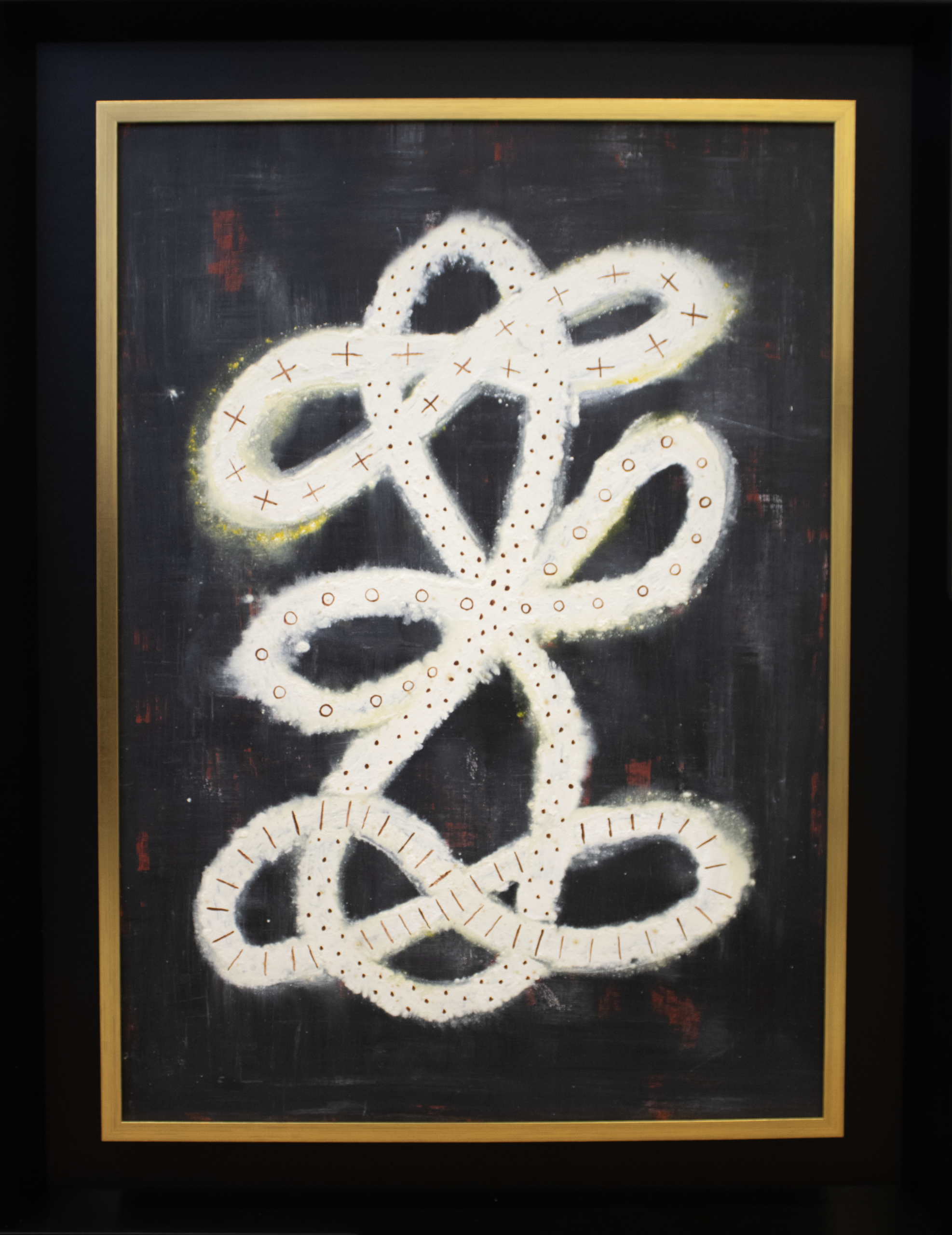
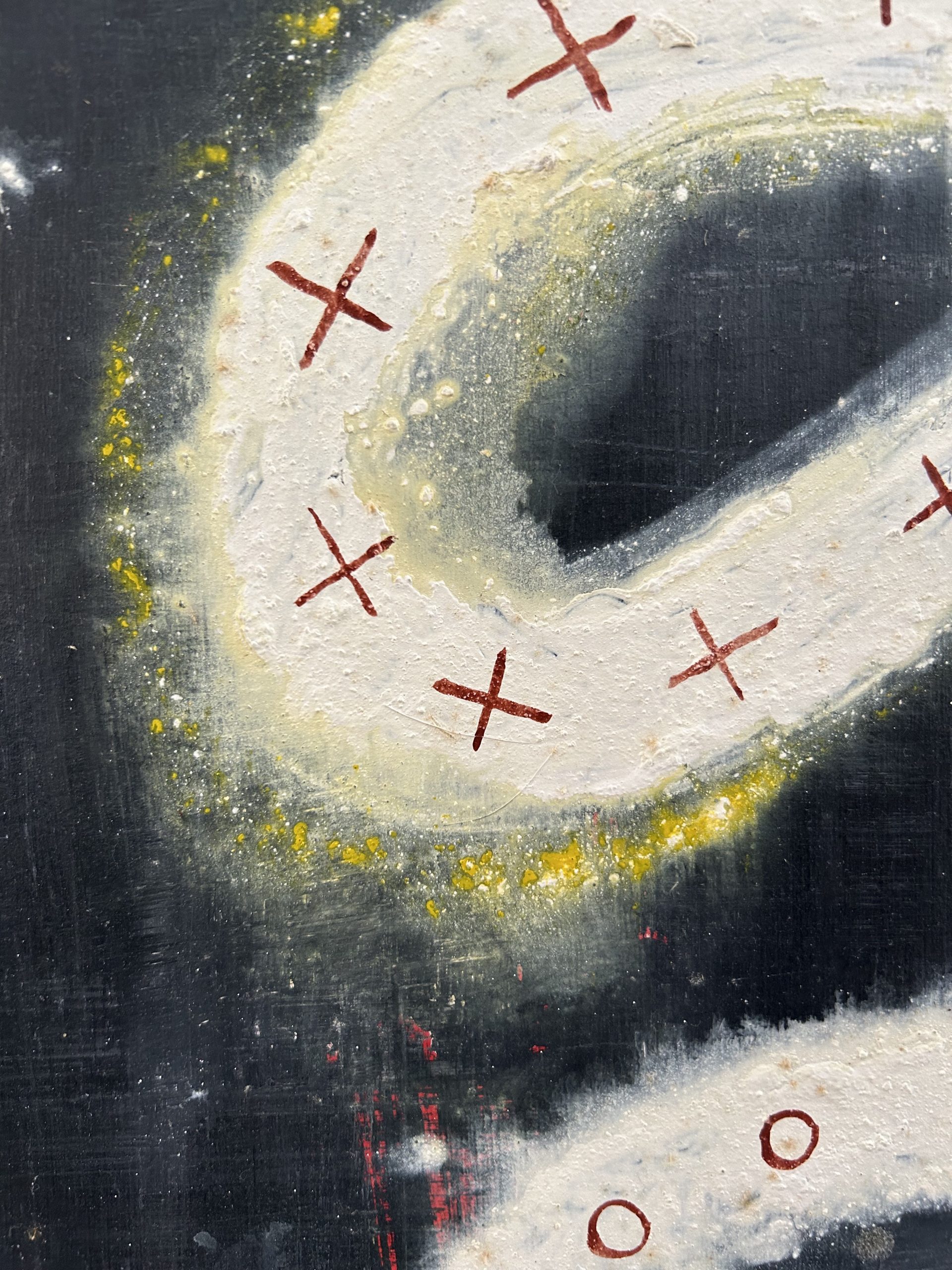
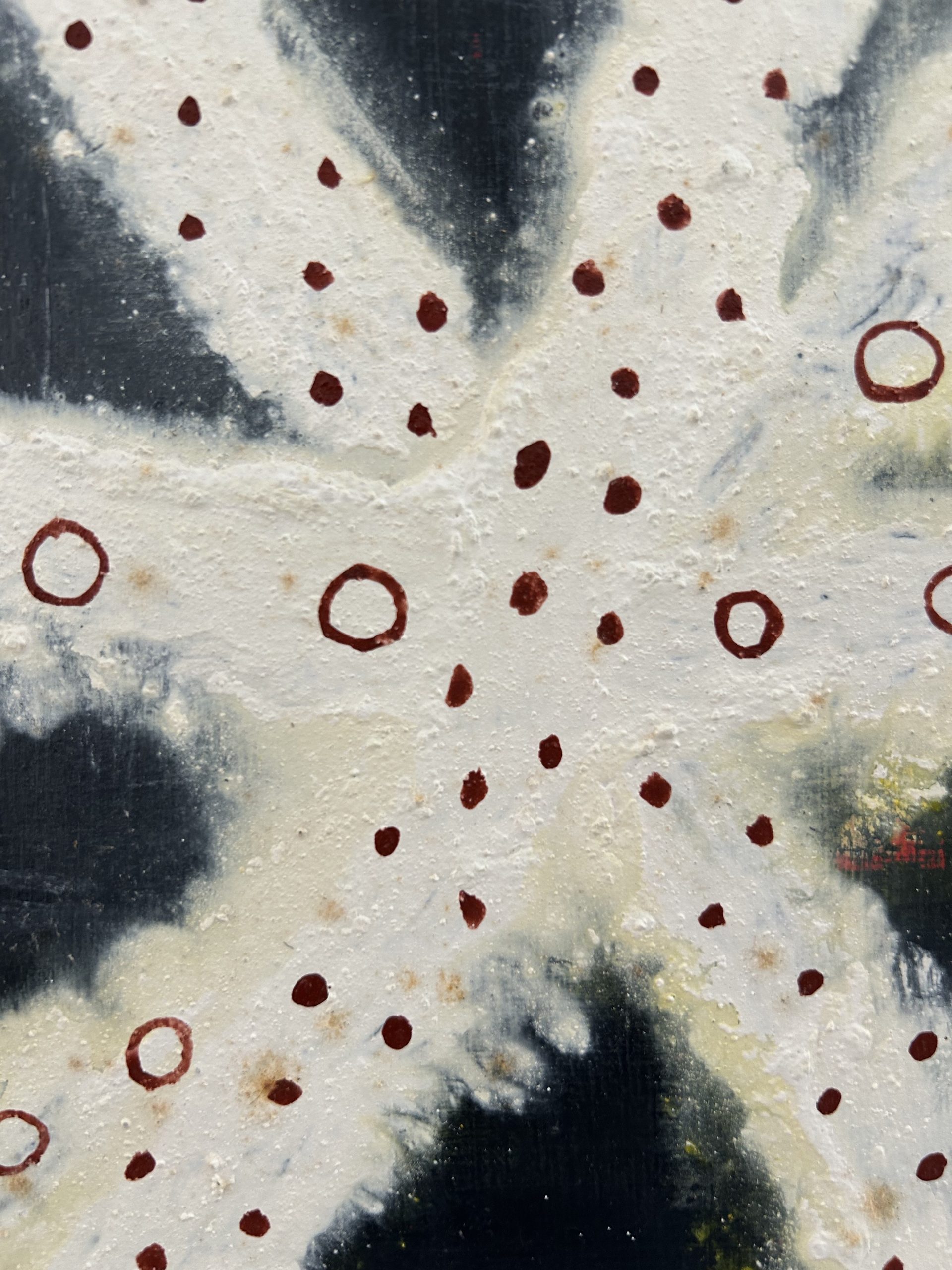
Ferran Garcia Sevilla´s mixed media on carton demonstrates his evolution from conceptualism to a more personal and symbolic visual language. The work showcases the artist’s characteristic exploration of form and space, utilizing a minimalist approach that echoes his interest in primitivism and symbolic representation. The use of infinity symbols to create a figure reflects Garcia Sevilla’s ongoing fascination with duality and the interplay between presence and absence. This piece exemplifies his later, more introspective period, where he moved away from the political art of his earlier years towards a more contemplative and philosophical approach.

Manuel Viola
Untitled
Oil on board
37 x 27 cm
Signed Front
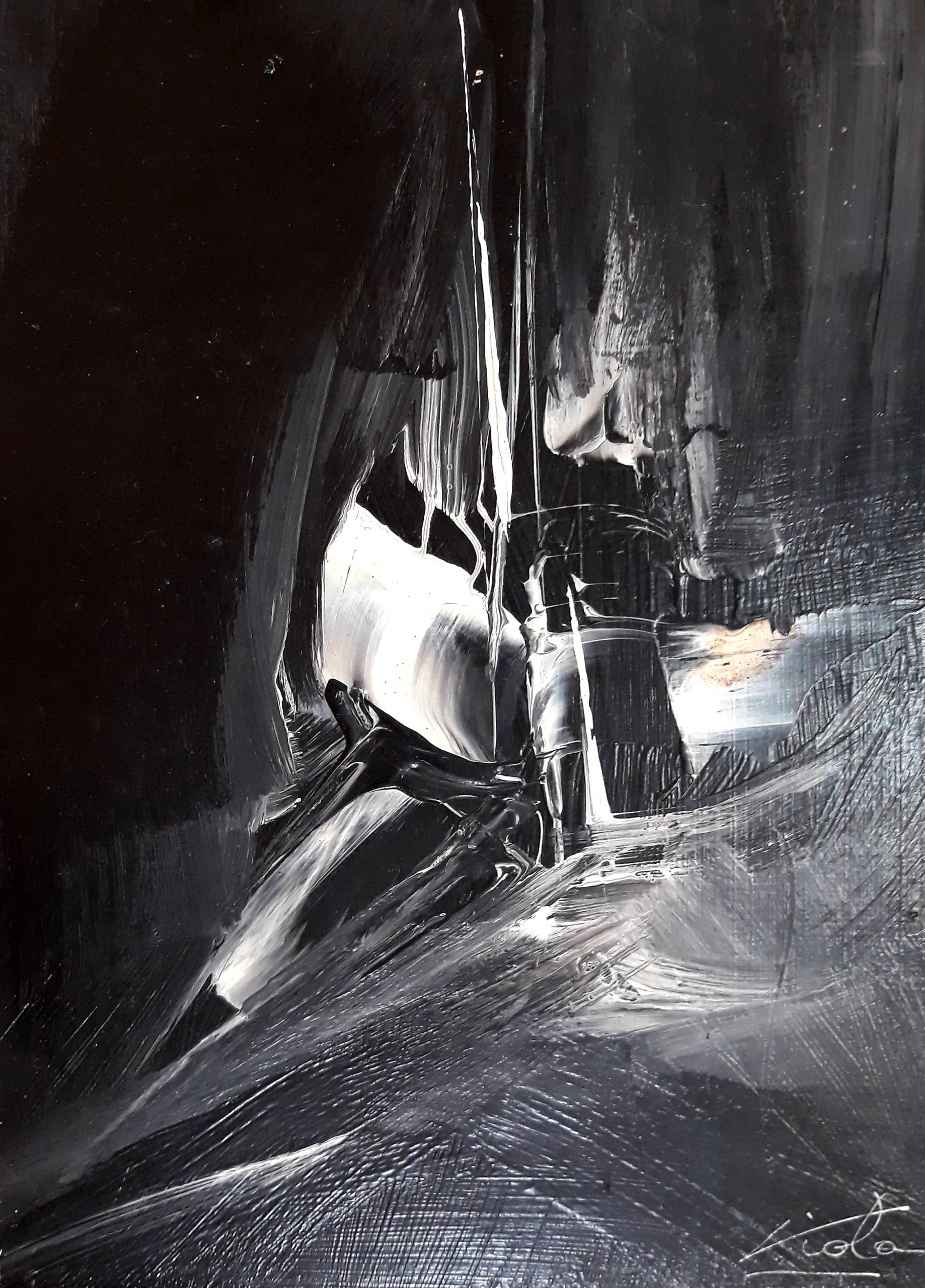
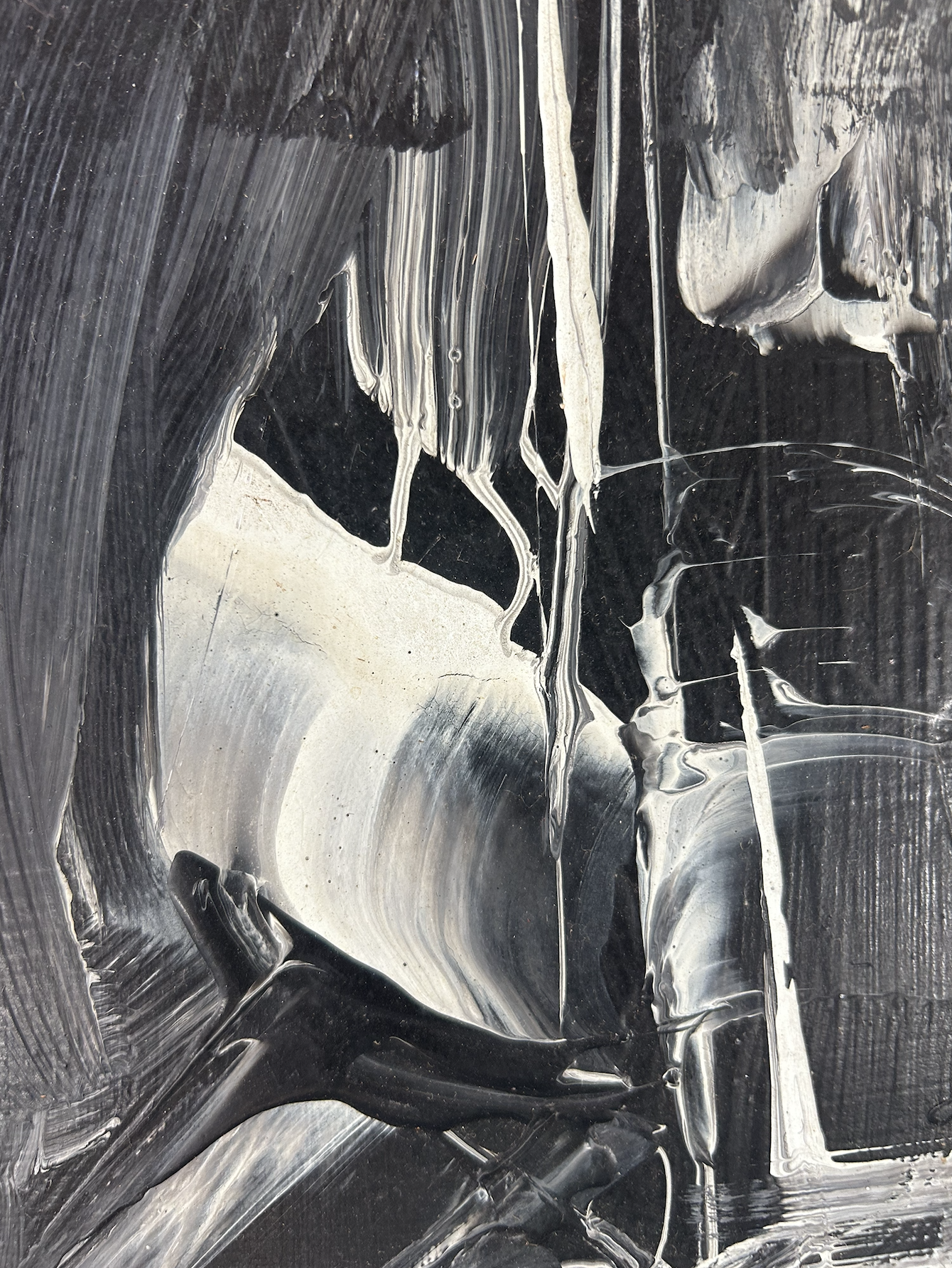
This oil on board by Manuel Viola represents his mature artistic style developed in the late 1950s, when he transitioned from surrealist and figurative works to informalism and, in 1958, got involved with the avant-garde group El Paso. The explosive nature of the painting aligns with the artist’s energetic visual forms, generated from a central mass, creating contrasts between light and dark. This shift in style garnered him international recognition and solidified his position as a key figure in Spanish Informalism.

Manuel Viola
Untitled
Oil on Board
48,5 × 35,5 cm
Signed Front
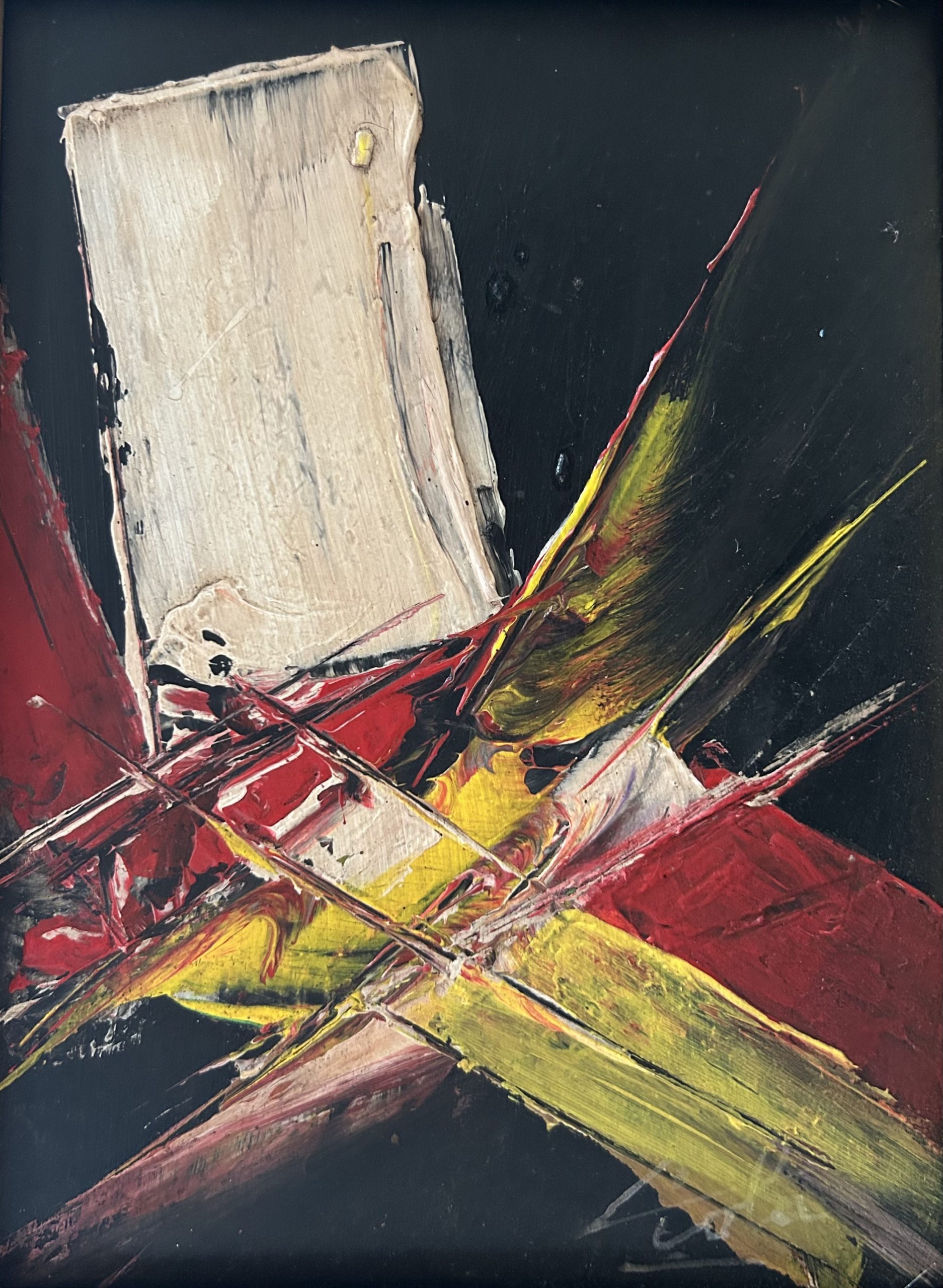
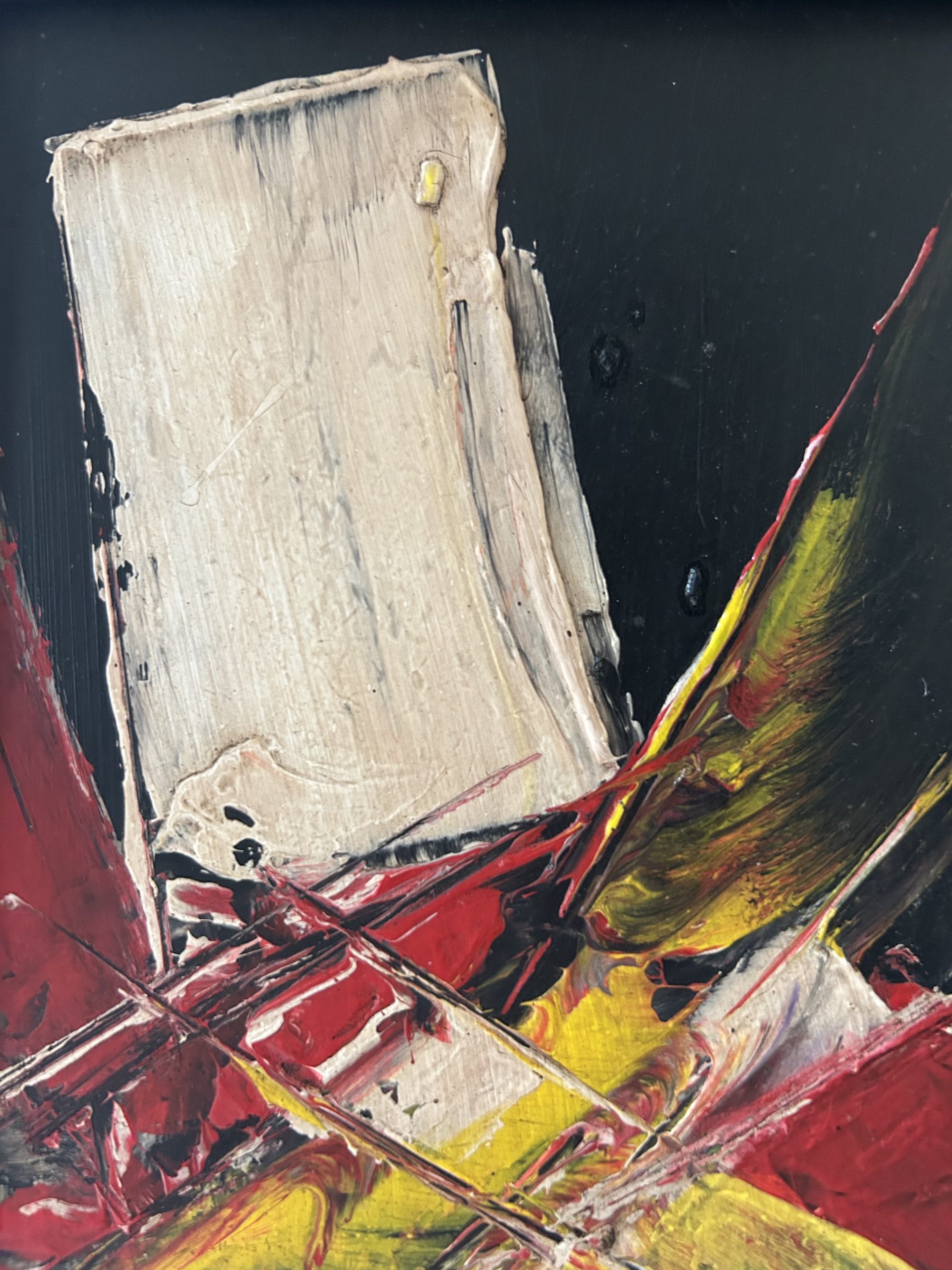
In this abstract oil on board, Manuel Viola creates a dynamic and intense composition with a deep black background, set against an eruption of vibrant yellow, red and white, evoking his unique ability to channel raw emotion through color and form. The explosion of color suggests the chaotic, energetic brushwork characteristic of his Informalist style, which reflects his engagement with the Spanish avant-garde and his Surrealist roots. This piece embodies his evolution from early figurative work to the style that defined his career, resonating with the gestural force and intensity of the tachisme movement while also echoing his exploration of emotional depth and the human experience.
Manuel Viola
Untitled
Oil on Board
47 × 36 cm
Signed Front
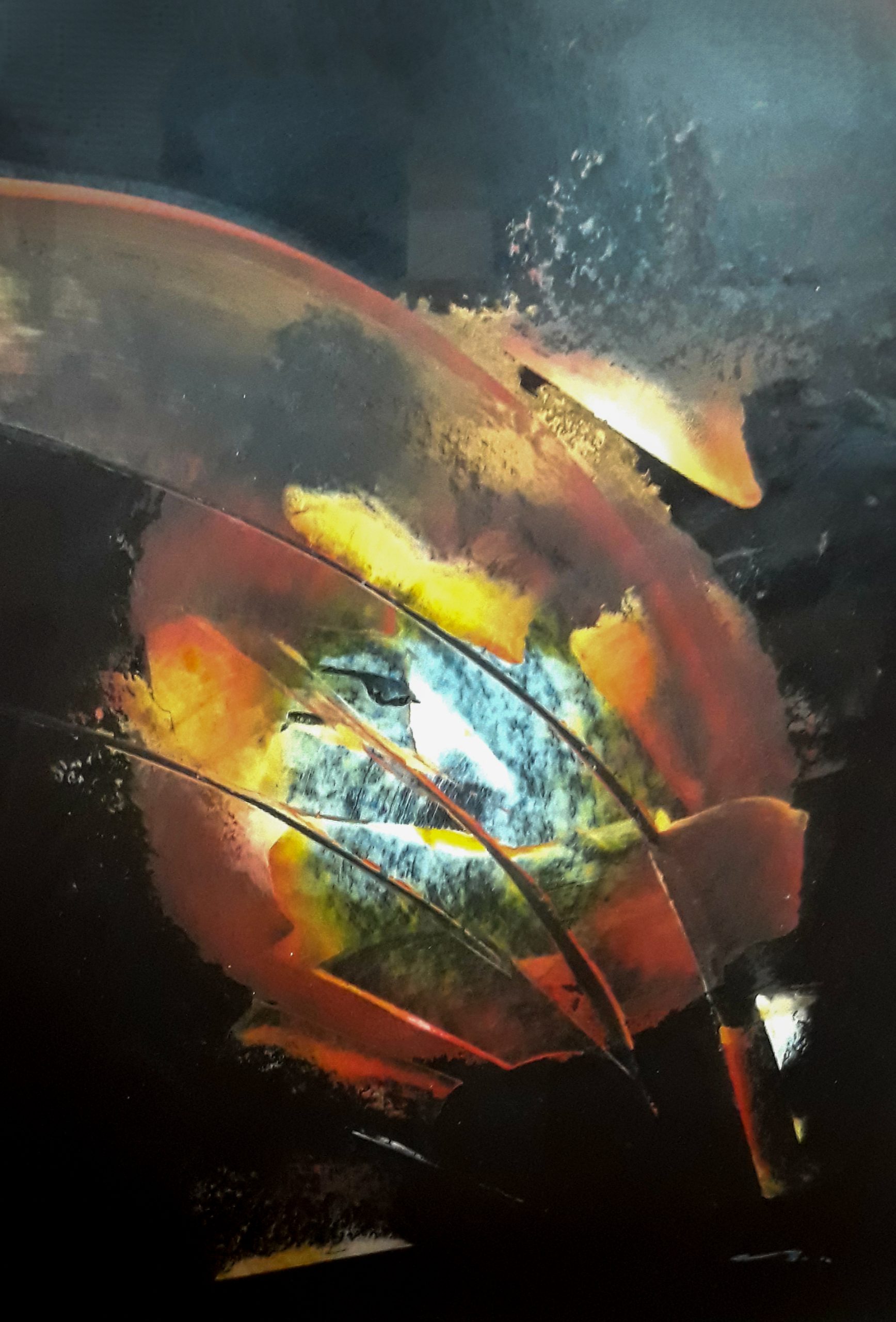
Oil on board by Manuel Viola, where he uses bold, gestural brushstrokes and a dramatic contrast of vibrant hues against a black background to convey intense emotion and energy, reflecting his mastery of Informalism and his engagement with the tachisme movement.