
Narrative, Myth & the Human Scene: Figurative Painting in 20th Century Spain
Throughout the 20th century, Spanish painting remained committed to narrative figuration, even as abstraction and Informalism rose in European art. Artists continued exploring mythological themes, literary subjects, and scenes of daily life, keeping the human figure central to storytelling and composition.
Works by Luis García-Ochoa, such as his reinterpretation of Danaë, showcase the persistence of academic and mythological themes, modernized through color and composition. Similarly, Carlos Sáenz de Tejada’s literary scenes reinterpret Cervantine narratives, highlighting the dialogue between painting and Spanish literature. Genre and social observation also feature prominently, as in Ricardo Zamorano’s El pregón, which blends traditional costumbrismo with modern pictorial structure.
These figurative works prioritize narrative clarity and cultural reference over distortion or psychological abstraction. They form a distinct strand of 20th-century Spanish painting, anchored in iconographic tradition, academic lineage, and the enduring human figure.

FEATURED WORKs
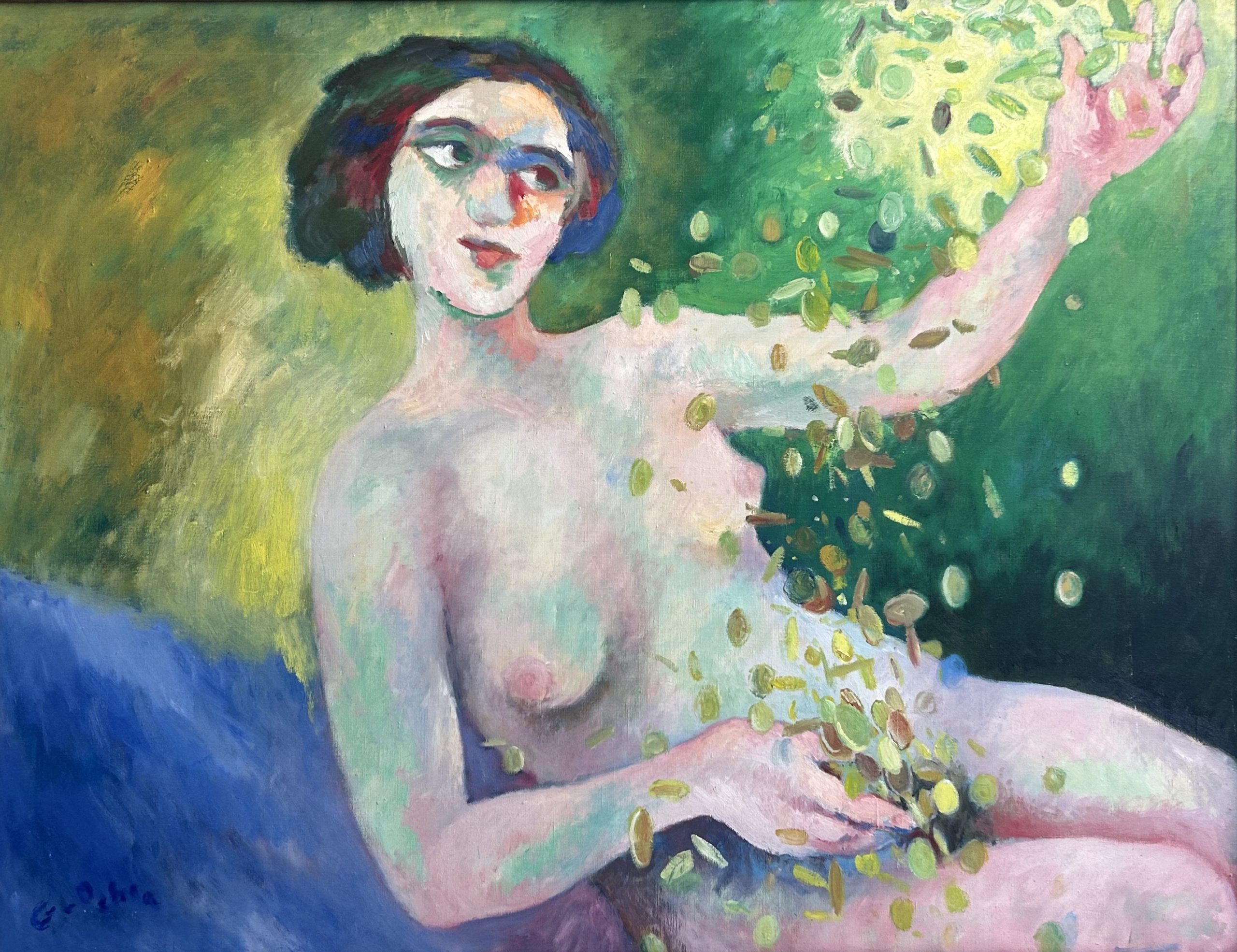


Luis García Ochoa
Danae
Oil on canvas
89 x 116 cm
Danae by Luis García-Ochoa is a powerful and evocative piece that depicts the female figure in an intimate and sensual context. Inspired by the myth of Danae, who was visited by Zeus in the form of a golden shower, the painting captures the moment of revelation and vulnerability of the protagonist. It addresses universal and mythical themes, adding great value for both collectors and institutions interested in Fauvism art. The painting is characterized by its ability to capture the emotional depth of the moment and the complexity of the human figure, elements that are central to García-Ochoa’s work.
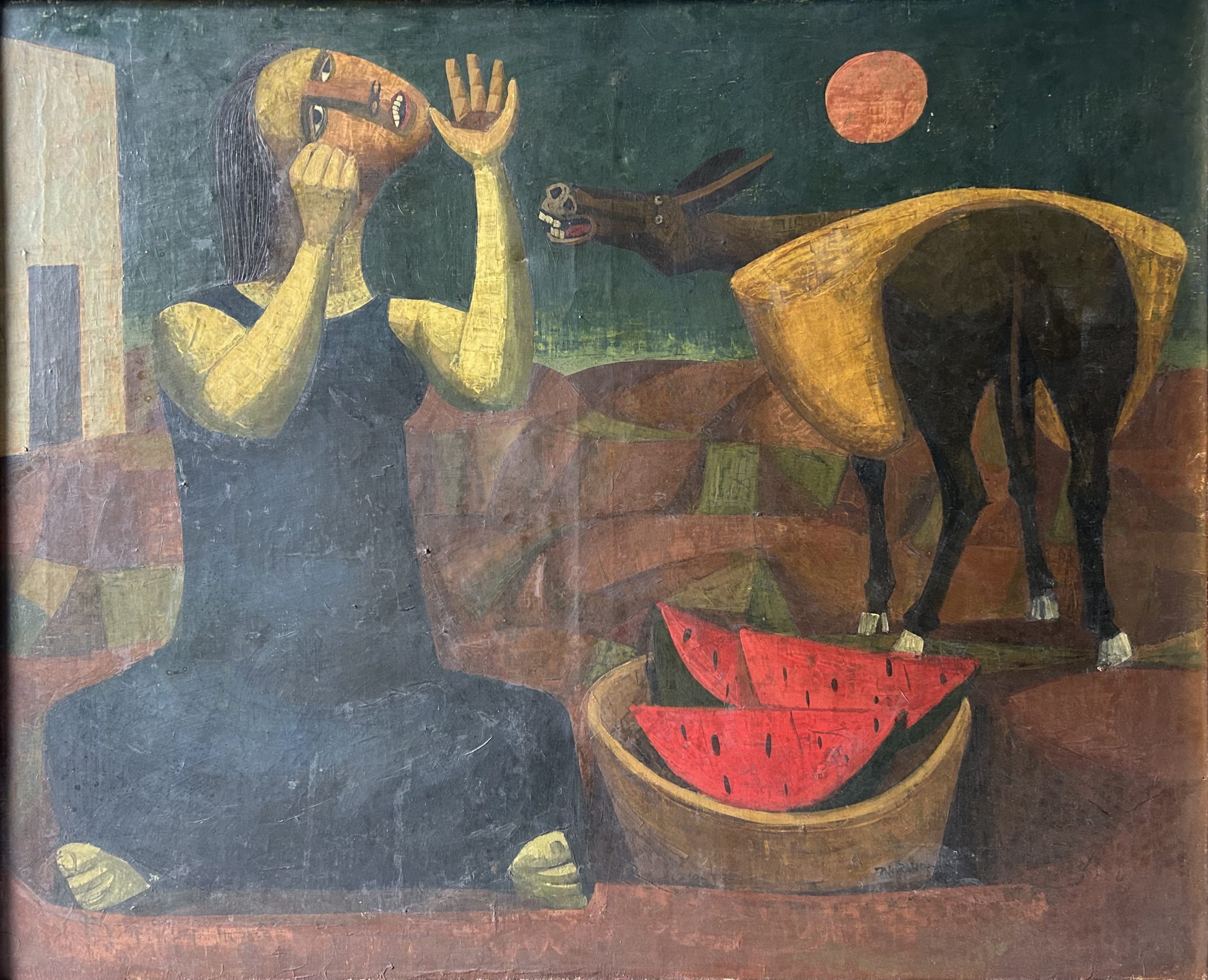
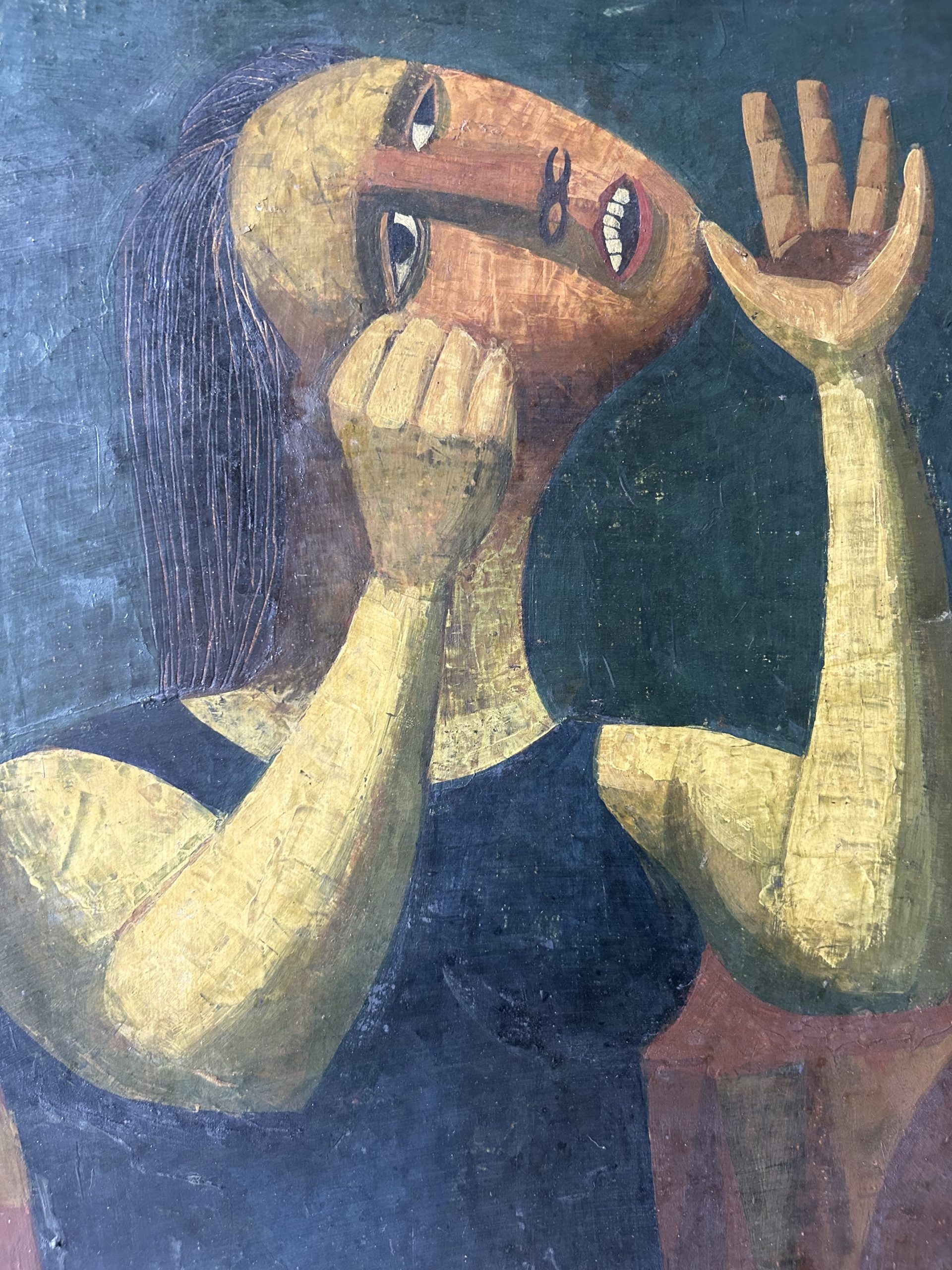
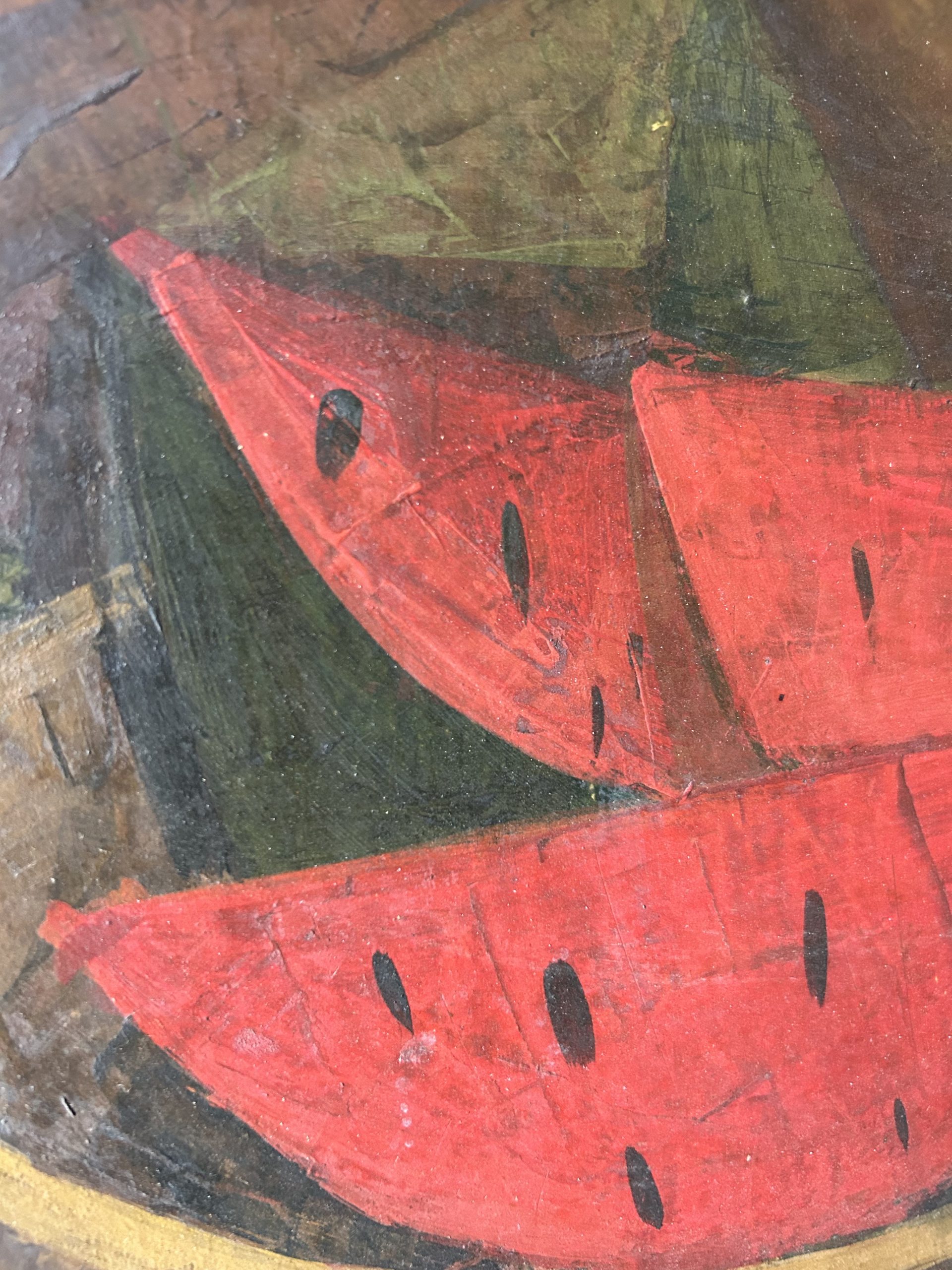
Ricardo Zamorano
El Pregón (1997)
Egg Tempera on Canvas
81 x 100 cm
El Pregón (The Announcement) by Ricardo Zamorano is a work that combines the social realism that characterized much of his production with surreal and symbolic elements. Although he is known for his participation in the Estampa Popular movement and his commitment to political art, this piece shows an evolution towards a more personal and metaphorical expression. Zamorano’s deep roots in the Spanish pictorial tradition manifest through his interest in the symbolic and social aspects, as well as in his evolution towards a more complex and personal visual language in his later decades of production.

Carlos Saenz de Tejada
Camacho’s Wedding
Pastel on Paper
33 x 49 cm
This pastel on paper appears to illustrate a scene from Miguel de Cervantes’ Don Quijote, likely depicting the wedding feast of Camacho from Part II (Chapters XX-XXI). The passage describes an extraordinary abundance of food and preparation: roasted oxen, countless game birds, massive stewpots, and mountains of provisions.
Sáenz de Tejada captures the vitality and communal energy of the gathering through dynamic, expressive pastel strokes. The composition conveys both the grandeur of the feast and the human activity surrounding it, rendered with the artist’s characteristic strength and immediacy. The work demonstrates Sáenz de Tejada’s engagement with literary illustration, a practice evident in other projects of his late career.
The isolation of this particular scene within the artist’s known work raises intriguing questions about its origins, whether it was a commissioned illustration, a personal artistic choice, or part of a larger project now lost to documentation.