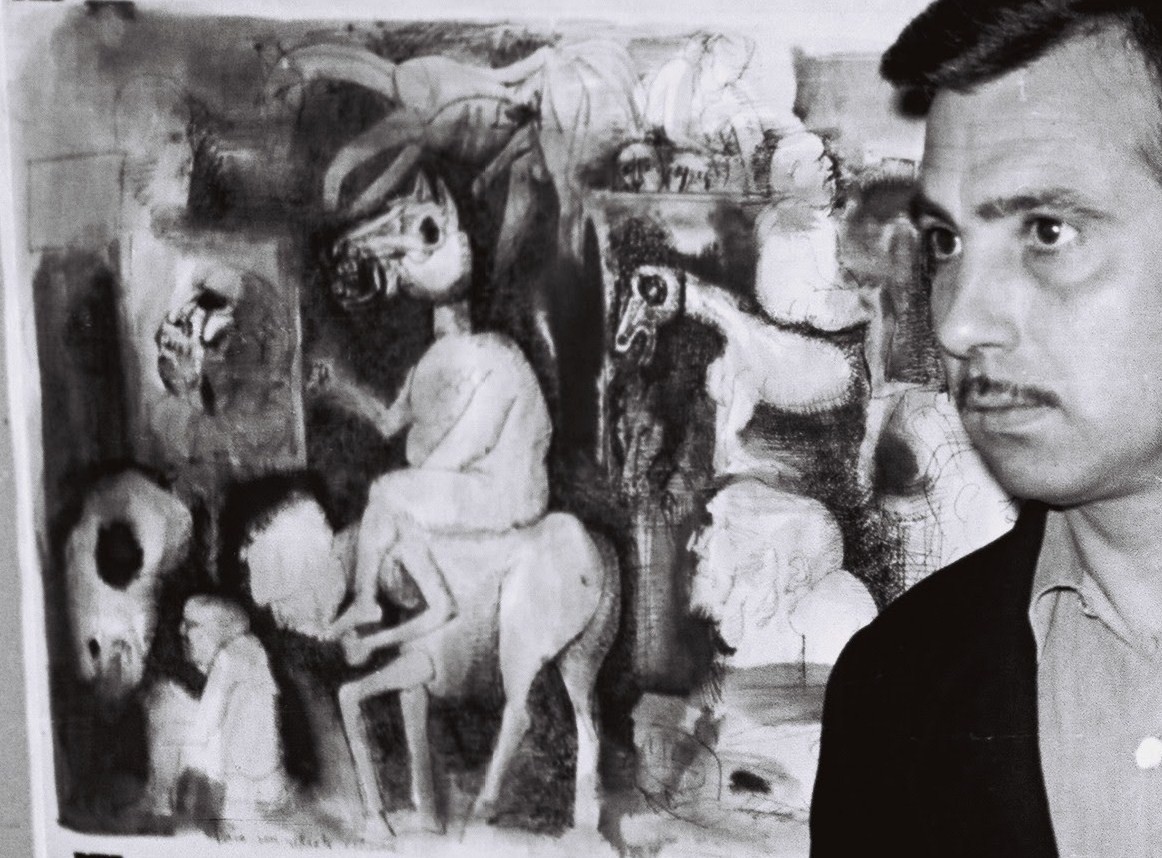
Ricardo Zamorano (1924-2020) was born in Valencia, Spain. He studied at the Superior School of Fine Arts in Valencia, where he honed his skills as a painter, illustrator, and engraver. Zamorano was an active participant in the Spanish art scene during the 20th century and is best known for his contributions to social realism. He was a key figure in the Estampa Popular movement, which aimed to address social issues through art, particularly in the context of post-Civil War Spain.
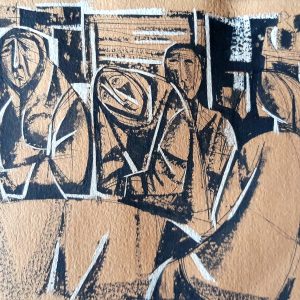
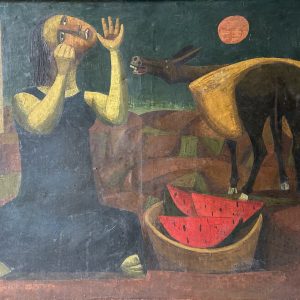
Zamorano’s artistic work was deeply rooted in social realism, and he often used his art to comment on the socio-political realities of Spain in the mid-20th century. His style is known for its direct and accessible content, often conveying messages of social protest and highlighting the struggles of the working class. Through the Estampa Popular movement, Zamorano created prints that were characterized by their clear, powerful imagery and focus on political themes. His works often depicted the harshness of daily life, labor struggles, and the impact of political unrest.
Throughout his career, Ricardo Zamorano exhibited widely, with solo shows in Spain, France, and Colombia. A significant milestone in his career was his participation in the 1974 Venice Biennale, where his work was featured in the exhibition Spain: Artistic Avant-Garde and Social Reality 1936-1976.