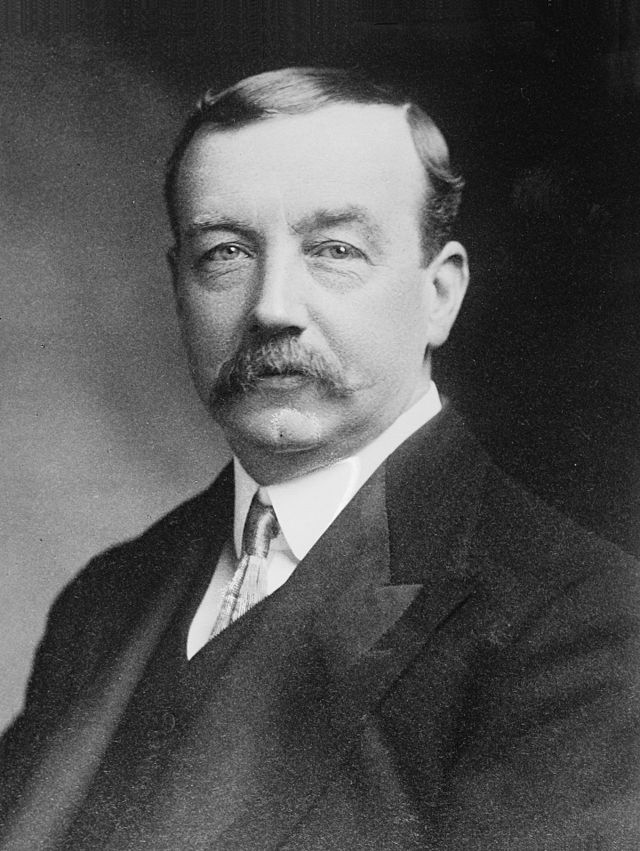
Arthur Edward Henderson (1870-1956) was a British artist and architect, son of John S. Henderson. He was educated in Aberdeen and developed a deep interest in architecture and art. Henderson resided in East Grinstead, Sussex, for much of his life.
Henderson’s artistic career was intertwined with his architectural expertise. In 1896, he received the Owen Jones travelling studentship, which allowed him to travel to Constantinople. There, he immersed himself in Byzantine architecture, becoming particularly fascinated with the church of St. Sophia. His watercolour paintings of this church are now housed in the Victoria and Albert Museum. He was also appointed as the architect for the British excavations at the Temple of Diana in Ephesus and participated in archaeological surveys of Cyzicus. Upon returning to England, Henderson focused on the decoration and restoration of churches, with his frescoes at Christ Church in Streatham Hill standing as a notable example of his work.
Throughout his career, Henderson earned recognition within both artistic and architectural circles. He was a member of the Royal Society of British Artists, a fellow of the Society of Antiquaries, and a fellow of the Royal Institute of British Architects. His works were exhibited in prestigious venues, and his contributions to both architecture and painting earned him a respected place within the British artistic community.