

1) Find Connection, Visit with Purpose
Many emerging collectors say, “I don’t know what I like.” The answer lies in exposure. Spend time in galleries, art fairs, and exhibitions. Not just snapping photos, but returning to the works that make you pause. Repetition is the truest test: the piece you keep circling back to reveals a visual and emotional bond likely to endure. In summary, see widely and attentively.
Set a rule: at every visit, pick three works that “caught” you and note why. Is it color, texture, mood, or subject matter?
After several visits, patterns emerge: perhaps you’re drawn to gestural brushwork, muted palettes, historical pieces, or intimate portraiture.
Don’t mistake trendiness for connection. Being drawn to what’s popular now isn’t the same as having a lasting taste. The frequency with which certain styles or themes attract you is the truest signal.
2) Learn the Story — Artist, Technique, Provenance, Market
A work of art is never just its visual appearance; it carries biography and material existence. Ask the gallery: Who is the artist (training, exhibition record)? What materials or techniques were used (oil on canvas, print, mixed media, installation)? What’s the provenance (past owners, exhibition history)? Having this information shapes both cultural significance and market value. Why this matters:
Technique: A hand‐painted oil portrait by an established artist will behave differently (visually, conservation‐wise, in value) from a digital print.
Provenance: A work that has been shown in notable exhibitions or owned by respected collectors tends to be more stable in value and prestige.
Market context: Knowing how similar works sell helps you avoid overpaying.
Example: If considering a contemporary piece by a mid-career artist, seeing if it’s been included in group shows, represented in public collections, or reviewed in credible publications can help assess both price and future significance.
3) Think Long Term — Picture It on Your Wall in Five Years
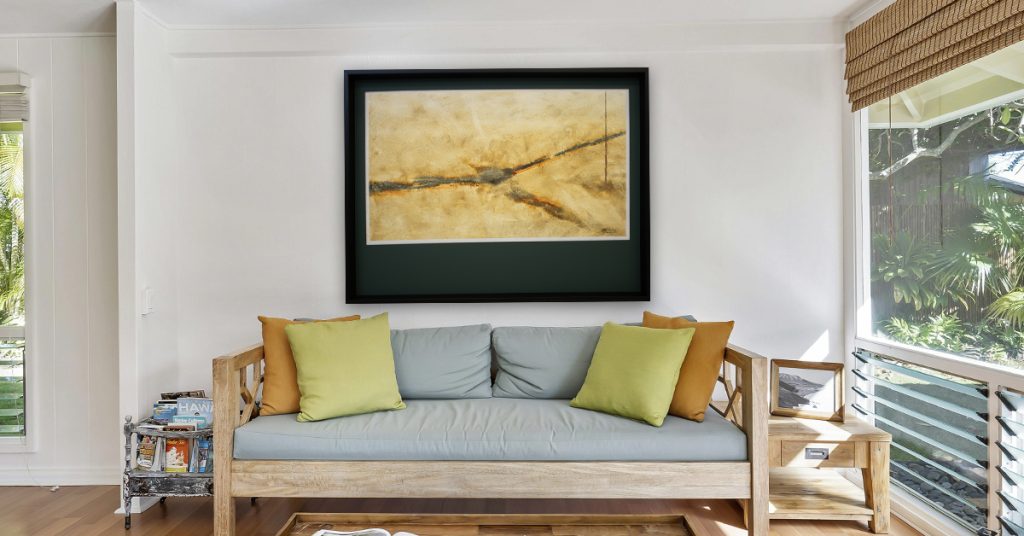
When you look at the artwork now, think ahead. Will you still want to see it every day? Does it accord with your evolving life circumstances, such as moving homes, changes in decor, shifts in taste?
If you can reasonably imagine it still bringing joy and relevance in five years, the odds are good you’ve picked the right piece. Collectors who sustain long‐term satisfaction tend to purchase works that fit both personal taste and spatial/lifestyle permanence.
4) Begin with Intention — Buy the Best You Can Comfortably Afford
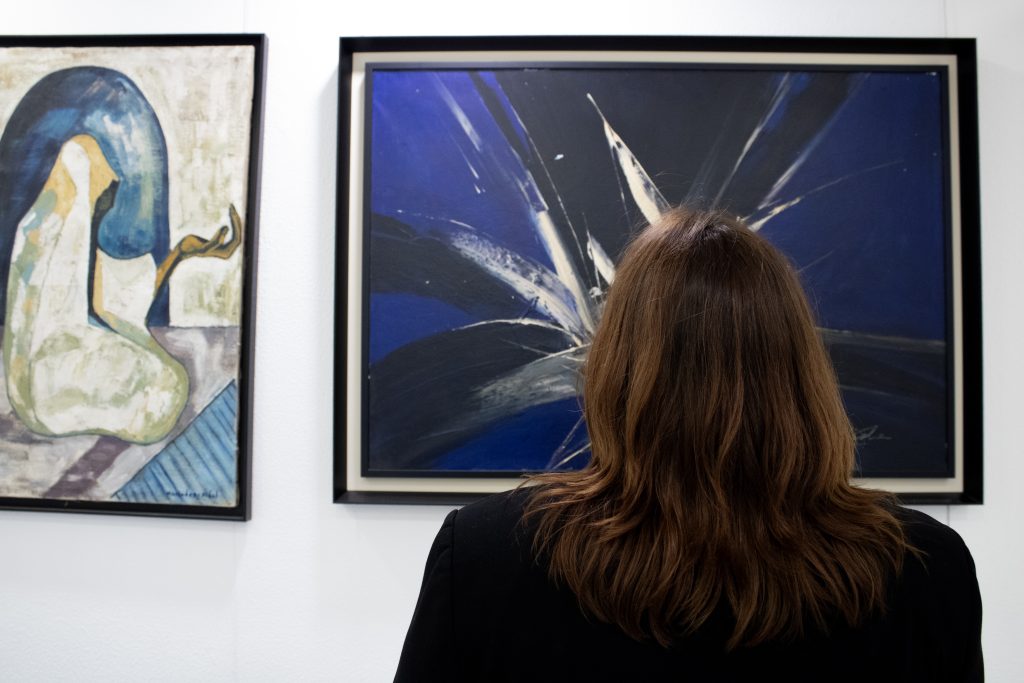
The first piece you buy often sets the tone for your collection’s character. This is why experts often recommend buying the best work you can comfortably afford. Quality matters: a strong first piece becomes the cornerstone of your collection, setting it for years to come. Quality here means condition, authenticity, and artistic merit.
Think of this as your first step into a wider world. When you choose a work that excites you, that feels like a leap (even a small one), you elevate not only your walls but your experience as a collector. The piece becomes a conversation starter, a source of daily inspiration, and a reminder that you made a decision guided by taste and conviction.
Practical tip:
Allocate a clear budget, then aim for the most exceptional piece within that range. Don’t be afraid to stretch slightly. Many seasoned collectors recall their first purchase as a defining moment where they trusted their eye and took a step beyond the purely practical.
The “perfect time” rarely comes, but when you feel ready, acting decisively turns admiration into ownership. And owning that first piece changes the way you look at art forever.
Start Your Collection with Confidence
Every collector remembers their first piece. Not just what it looked like, but how it felt to take it home. That moment marks the start of a personal dialogue with art, one that grows richer over time.
Your first purchase is not merely an expense; it is an investment in beauty, culture, and your own sense of identity. It will shape the way you see future exhibitions, spark conversations with friends, and open doors to a community of curators, artists, and fellow collectors.
Don’t wait for the “perfect” moment; the perfect moment is the one where a work stops you in your tracks and refuses to let go. Trust that feeling, and take the leap.
The journey of building a meaningful collection starts with a single, intentional choice, and that choice could be today.
Choosing your first artwork is making a promise to your own aesthetic journey, to the artist, and to the way art can enrich daily life. Follow these four steps: finding a genuine connection, understanding the work’s story, visualizing its lasting place in your life, and buying with intention, and you’ll lay a foundation for a collection that evolves beautifully.
Ready to begin this journey? Contact us today to start curating your first collection.