
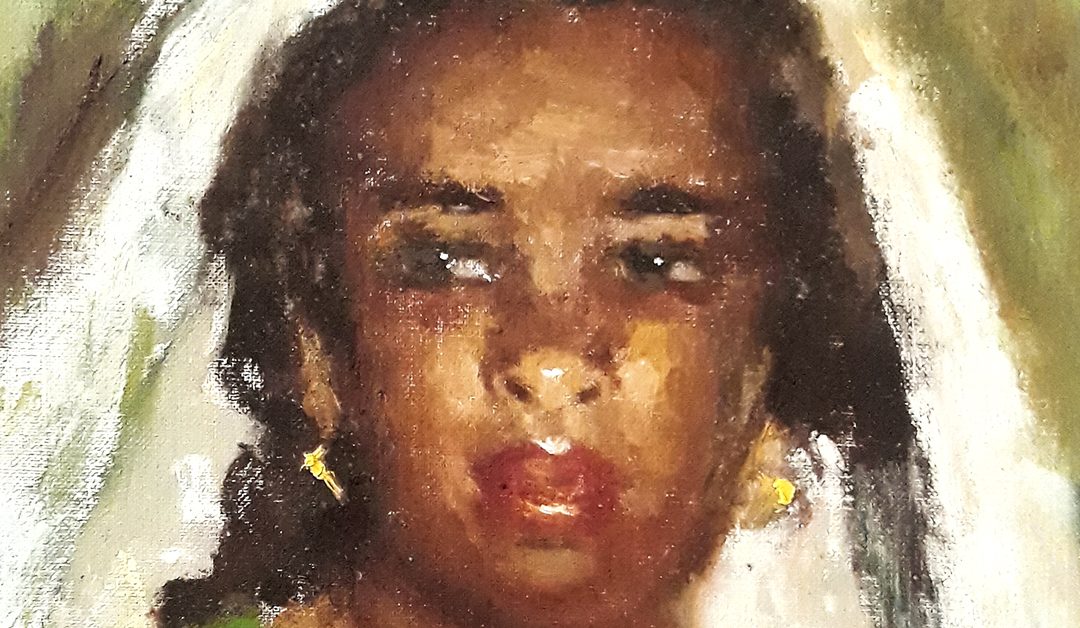
Why are we drawn to portraits, even when we don’t know the person staring back at us? Because faces grab our attention. In art, in social media, and in our daily lives, they are the most immediate, intimate form of human connection. From the gilded frames of Renaissance galleries to the small screens of our smartphones, the human face has remained art’s most compelling subject.
A Journey Through Portrait History

Portraiture has a long and fascinating history. In ancient Egypt, funerary portraits were painted on wooden panels to accompany the deceased into the afterlife, immortalizing memory and status. The Romans perfected the realistic bust, capturing not just the physical features but the character of their subjects.
Fast forward to the Renaissance, and portraiture became a celebration of both individual identity and societal position. Artists like Leonardo da Vinci and Hans Holbein transformed the genre into a dialogue between sitter and viewer, layering symbolism, status, and subtle storytelling into every gaze. Portraits became more than likenesses; they were records of lives, personal narratives, and reflections of cultural values.
Even today, in a world dominated by selfies and Instagram stories, the desire to be seen — and to see others — persists. Portraits, whether classical or contemporary, still serve as mirrors: we seek connection, empathy, and understanding through the faces of others. To stand before a portrait is to enter into a silent conversation with another human being, across time, space, and circumstance.
The Magnetic Power of the Gaze
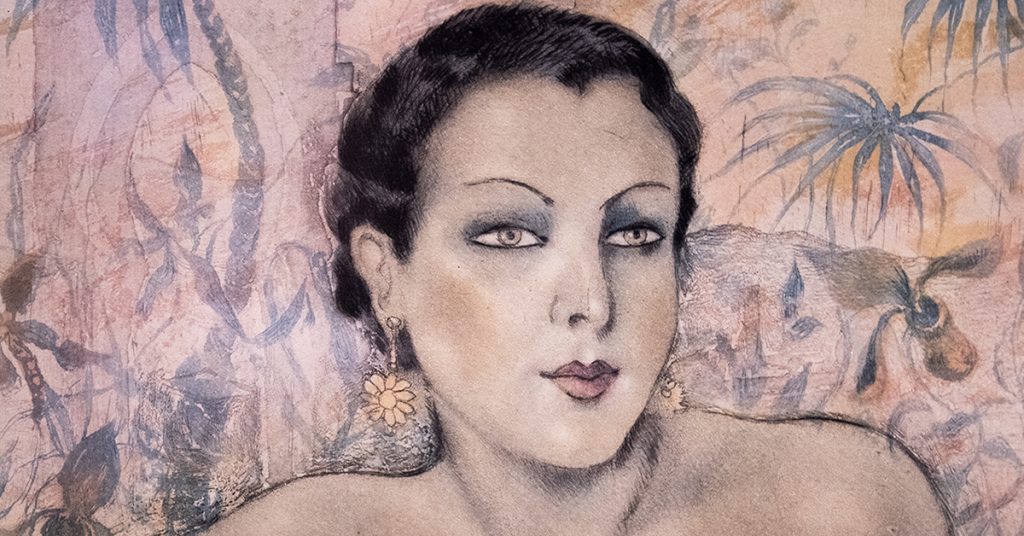
There is something almost magnetic about a face looking back at us. Neuroscience tells us that humans recognize faces in milliseconds. A portrait creates the illusion of encounter: someone long gone is suddenly present, looking straight at us.
And yet, every portrait is also a mirror. As we gaze, we project our own emotions and narratives onto the sitter. Who were they? What were they feeling at that moment? And perhaps more surprisingly, what does their image reveal about us?
From Instagram stories to Renaissance masterpieces, faces demand attention. Our brains are hardwired to notice them — a survival instinct that helps us read emotion, intent, and social cues. Portraits exploit this fascination, compelling us to reflect and engage.
Portraits as Bridges Across Time
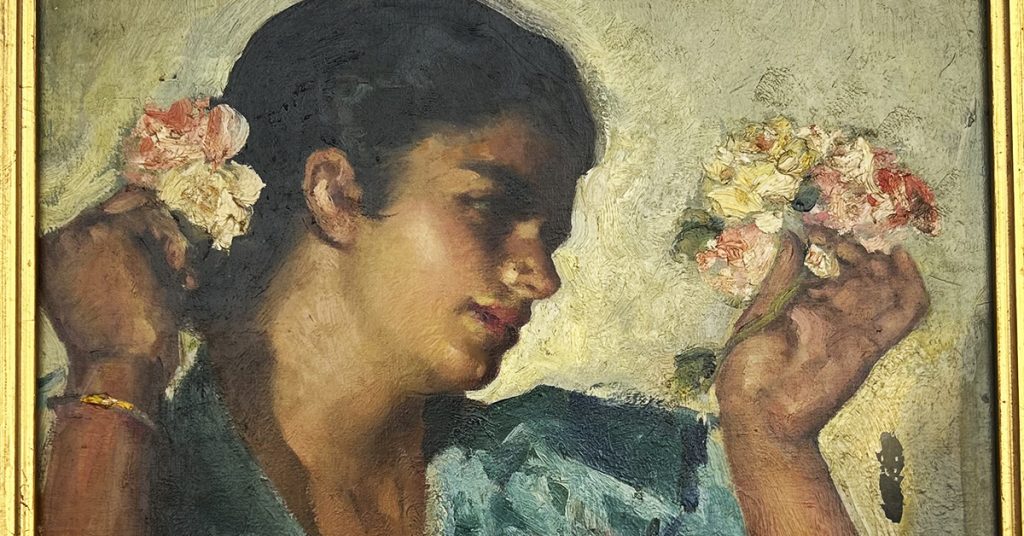
Portraits endure because they bridge temporal gaps between artist and viewer, past and present, self and other. They capture fleeting moments and preserve them for centuries, inviting us to inhabit another’s experience. Each brushstroke, chisel mark, or photographic detail carries with it intention, style, and cultural context, providing clues not only about the subject but also about the era in which the work was created. In this sense, portraiture is both historical document and living dialogue.
Experiencing Portraits at MadameFlihan Art Gallery
At MadameFlihan Art Gallery, our upcoming portrait display invites visitors to step into this conversation. It is an opportunity to reflect on the sitter’s life, the artist’s vision, and our own responses. As we look, we are invited to consider identity, mortality, emotion, and memory — and in doing so, to see ourselves reflected back. A portrait is never just a face; it is a meeting across time, a story waiting to be read, and a reminder of why we are endlessly drawn to one another.
Whether viewed in a gilded gallery frame or through the glow of a digital screen, the power of the portrait remains the same: it makes us pause, it makes us feel, and it reminds us of our shared humanity. It is an enduring testament to our fascination with faces, our desire to be recognized, and our need to connect, even with strangers from centuries past. The portrait is both intimate and universal — a timeless medium through which art continues to speak to our deepest human instincts.