
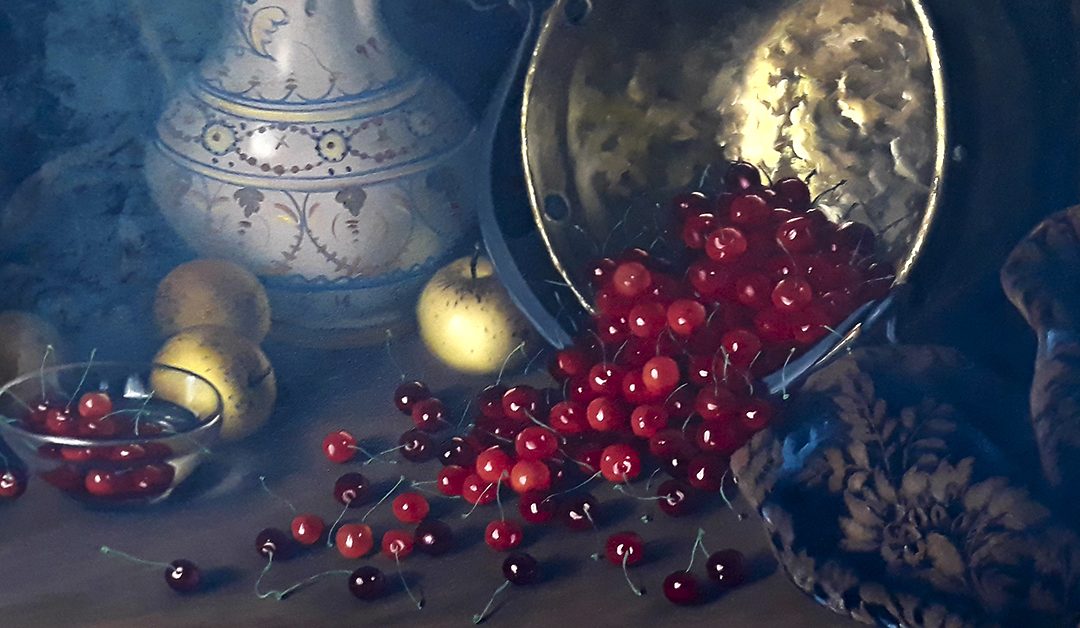
Still life may appear, at first glance, deceptively simple: fruit in a bowl, flowers in a vase, candlesticks shimmering in candlelight.
However, that simplicity masks a rich history and a deep psychological pull. For centuries, artists across cultures have returned to still life because it offers them a way to display virtuosity, reflect on mortality, and reveal hidden truths through the ordinary.
Today, we still respond strongly to still lifes, not just because they are aesthetically pleasing, but because they speak to what it means to be human.
From Ancient Rome to Dutch Flower Markets: A History of Observation and Symbolism
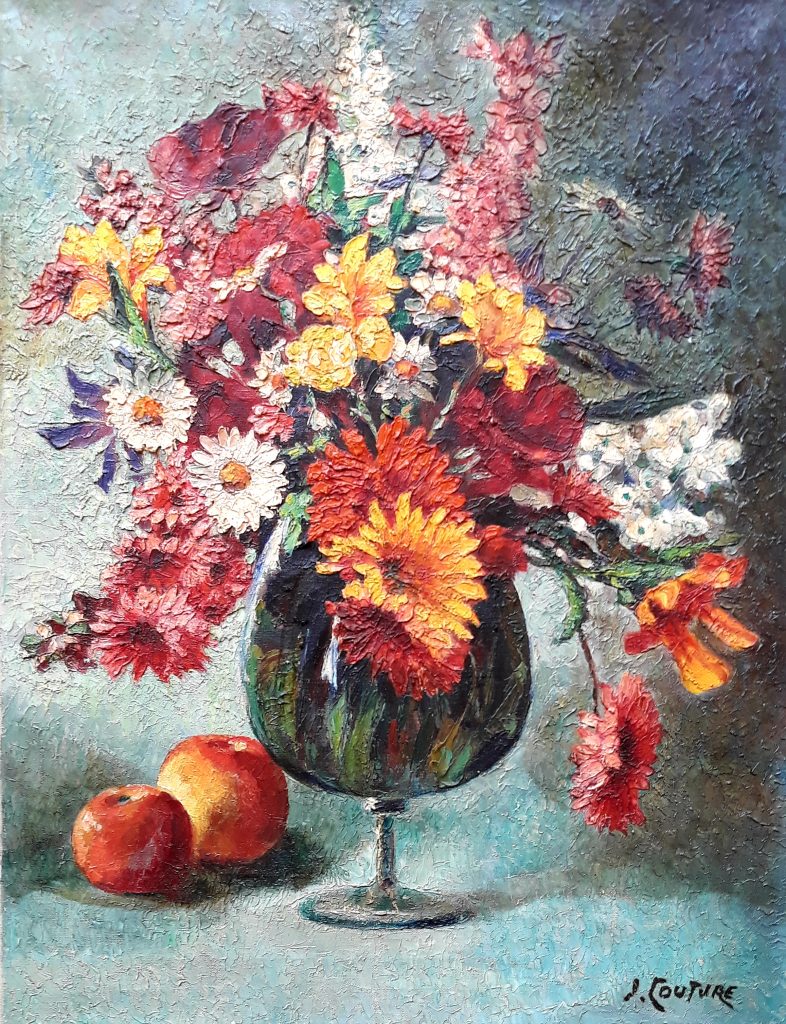
The still life has roots stretching back to ancient Rome. Wealthy Romans commissioned mosaics and wall paintings in Pompeii and other cities, depicting bowls of fruit or food offerings, objects that celebrated abundance and hospitality.
In these early works, the objects served both decorative and symbolic purposes. They were status symbols, but also signs of what people valued, in food, hospitality, and domestic comfort.
Fast-forward to the 1600s in Northern Europe, and still life exploded into a major genre. In the Dutch Golden Age and Flanders, painters perfected still life, especially vanitas still lifes, images that juxtaposed luxury, food, flowers, musical instruments (symbols of pleasure) with skulls, extinguished candles, and wilting flowers (symbols of mortality and the fleeting).
The moral message was clear: beauty fades. Wealth disappears. Life is short. The luxury of exotic fruits and ornate goblets was balanced by reminders that all worldly goods are temporary.
Dutch still lifes also served a purpose beyond moralizing: they allowed artists to show off their skill. Capturing the sheen of silver, the glimmer of glass, the delicate droop of petals, the folds in a cloth, all these tested a painter’s ability.
Moreover, patrons, the wealthy bourgeoisie with power and taste, collected still lifes to show off their prosperity and sophistication.
Meaning Beneath the Surface: Time, Vanity, and Identity
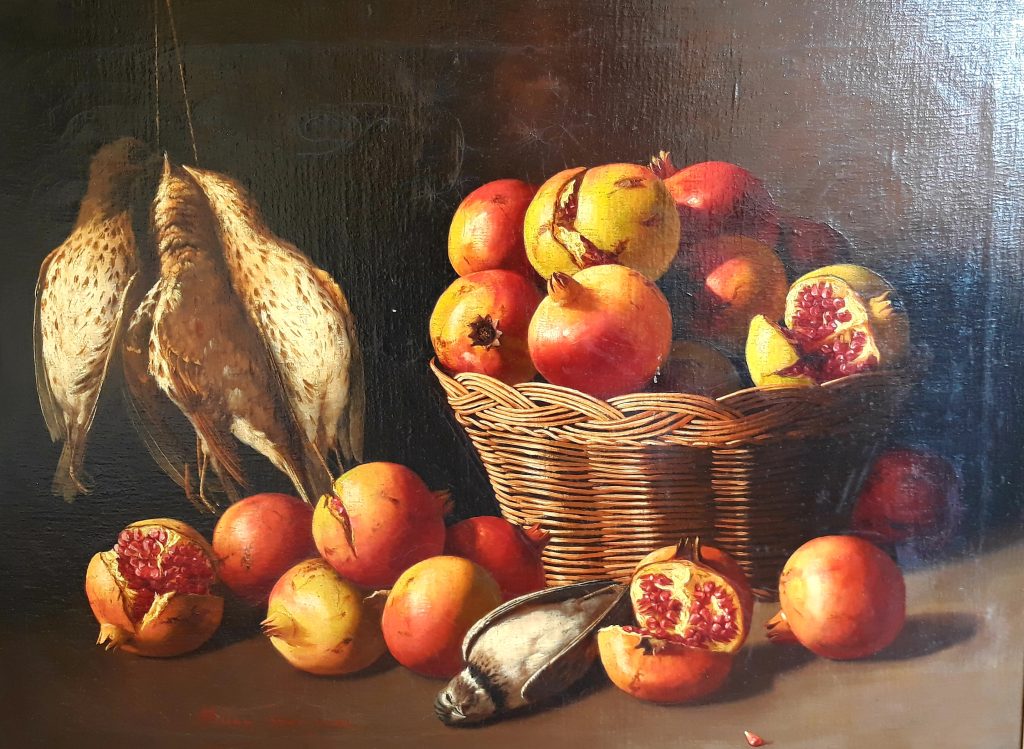
A central idea in many European still lifes is vanitas (“vanity” in Latin), closely related to memento mori (“remember you must die”). The inclusion of skulls, hourglasses, broken glass, wilting flowers, that ephemeral quality, is not just for shock.
It invites the viewer to reflect: what is lasting? What is temporary? We see that even when beauty is vivid, time works quietly.
Still life is not just about mortality. It’s about what we value, what we display, and what we keep close.
The objects an artist chooses become symbols of social status (exotic fruit, imported goods), domestic comfort (kitchenware, tablecloths), or personal interest (books, musical instruments).
These tell us about the time, the culture, and the individual behind the painting. In Northern Europe, for instance, the burgeoning merchant class used still lifes to show off not just wealth, but global connectedness, imported shells, spices, and glassware from far away.
Beyond Europe: Still Life Across Cultures
While Europe gave still life one of its most prolonged golden ages, the practice of depicting objects, food, and everyday things is not exclusive to Western art.
In East Asia, for instance, Flower and fruit painting has a long history tied to philosophical ideas (Daoism, Buddhism), seasonality, and symbolic meaning (e.g. plum blossoms, chrysanthemums).
These still lifes often focus on harmony, balance, transience (as in the Japanese concept mono no aware, “the awareness of impermanence”).
In another light, in Ancient Egypt, still-life offerings (food, utensils) were painted in tombs, so that in the afterlife the dead would have what they needed.
Contemporary non-Western & global art
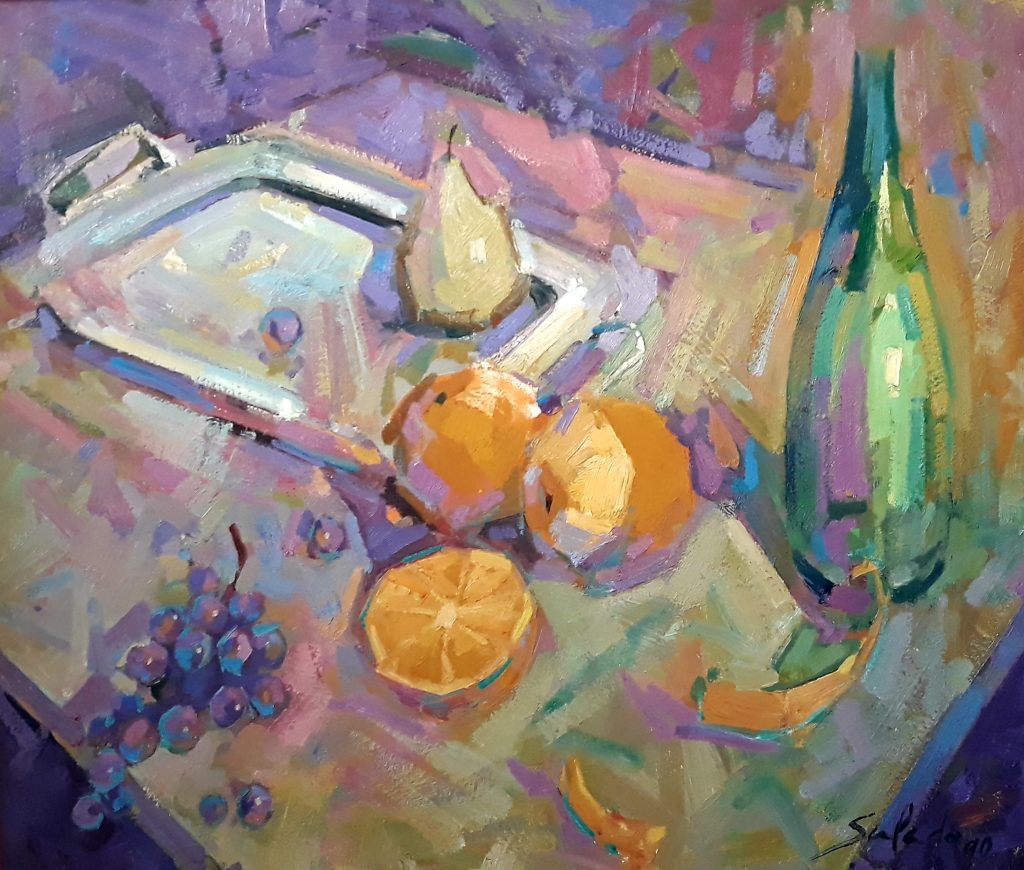
Many modern and contemporary artists re-interpret the still life genre from their own cultural perspectives, using objects of local significance, blending traditional symbolism with modern concerns (consumerism, decay, identity).
Although less documented in classic art history, these practices remind us that still life is a living, evolving conversation.
Why Still Life Still Moves Us: The Emotional Pull
Why do we still feel moved by those carefully arranged apples, those softly decaying flowers, those overturned glasses?
Reminder of mortality: Even if we don’t think about death often, these images make us pause. They confront us with fleetingness, and there is a strange comfort in that quiet truth.
Beauty in the ordinary: Still lifes elevate the mundane. A fruit bowl becomes poetry; a blade of grass, a testament to light. We see objects we know, but under a different light, they become something more.
Control over chaos: In a still life, everything is composed. Objects are arranged, light and shadow are calculated. There’s an order implied, control over mortality, even if only on a canvas. That order reassures us.
Reflection of self: What objects do we choose to surround ourselves with? What we own, what we display, is part of identity. Still life can feel personal: our hopes, tastes, and anxieties are mirrored in what we value materially.
Lives Find Meaning in Transience

More than technical showpieces, still lifes remind us that beauty is temporary, that time marches on, but also that what we choose to cherish matters. In depicting objects, we depict ourselves.
If you are drawn to the fragility of beauty, the elegance of texture, the quiet stories objects tell, send us a message. We’d be delighted to show you our curated collection and help you find a piece that resonates with you.